

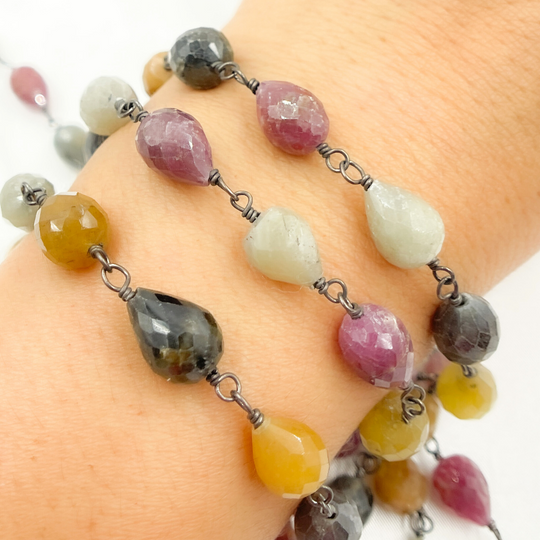
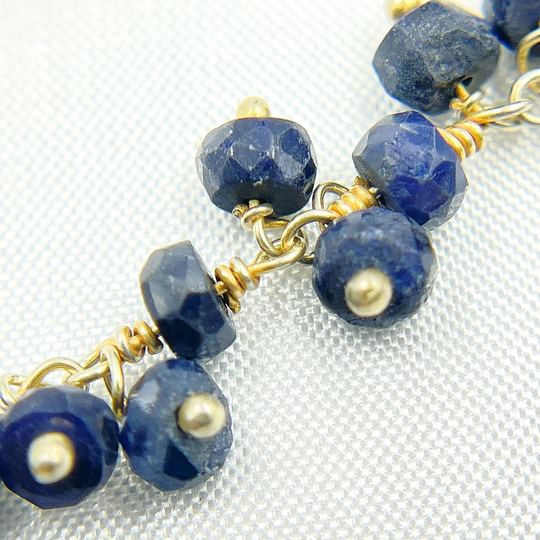
Introduction - Different Types of Sapphires
When people hear the word sapphire, the first image that usually comes to mind is a deep blue gemstone classic, elegant and timeless. While blue sapphires are undeniably iconic, they represent only a small part of what this gemstone truly offers. In reality, sapphires occur in a wide range of natural colors, each with its own character, rarity and appeal.
From soft pink and bright yellow to rare shades like Padparadscha, the world of sapphires is far more diverse than most buyers expect. These color variations are not trends or treatments they are the result of natural elements present during the stone’s formation. That’s why understanding sapphire colors is so important when choosing gemstone jewelry.
In this guide, we’ll explore the different types of sapphires, explain what fancy sapphires really are and help you understand how color affects beauty, rarity and jewelry choices. Whether you’re drawn to classic styles or looking for something unique, this breakdown will help you see sapphires with clarity and confidence.
What Are Sapphires?
At the most basic level, sapphires come from a mineral called corundum. By itself, corundum has no color at all. It’s completely clear. What changes everything are tiny natural elements that mix into the stone while it’s forming underground. These elements decide what color the sapphire will become. Nothing artificial. Nothing added later.
A little iron and titanium give you blue. Chromium brings pink or purple. Other elements lead to yellow or green. This all happens slowly, over millions of years, which is why no two sapphires ever feel exactly the same.
Another thing people love about sapphires is that they’re tough. Really tough. They don’t scratch easily, they don’t chip with normal wear and they hold up well over time. That’s why sapphire gemstone jewelry isn’t just for special occasions it works for daily life too.
Types of Sapphires Based on Color
Color is where sapphires really start showing personality. The stone might be the same, but the feeling changes completely depending on the shade.
Blue Sapphire – The Familiar Favourite
The blue sapphire is the one everyone recognises. Its color can be light and calm or deep and intense. People who choose blue sapphires usually like things that don’t go out of style. There’s something steady about this stone. It doesn’t feel trendy or loud it feels dependable.
A good blue sapphire isn’t just dark. It has layers. When you move it under light, you’ll notice the color shift slightly instead of staying flat. That’s usually a sign you’re looking at a well-formed stone.
Pink Sapphire – Soft, But Not Weak
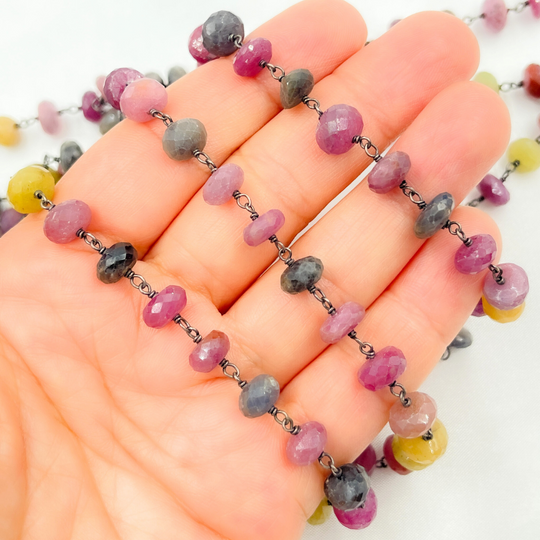
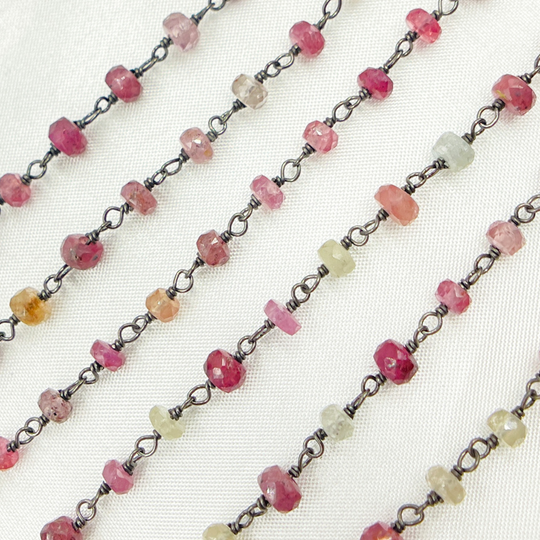
A pink sapphire surprises a lot of people. It looks gentle, but it’s just as strong as any other sapphire. Some pink sapphires are very light and subtle. Others are rich and bold. The shade changes the mood completely, but the stone always feels expressive.
People often choose pink sapphires when they want jewelry to feel personal. Not traditional. Not expected. Just something that quietly says, “this fits me.” Among colored sapphires, pink is loved because it feels emotional without feeling fragile.
Yellow Sapphire – Bright in a Calm Way
The yellow sapphire has warmth to it. Some look light and fresh, others lean toward a deeper golden tone. Yellow sapphires tend to catch the eye, but they don’t feel aggressive. In the right setting, they feel cheerful and confident.
They work especially well in designs where the stone is meant to be noticed rings, pendants or pieces where color plays the main role.
White Sapphire – Simple and Honest
A white sapphire doesn’t try to impress with color. It’s clean, clear and understated. It won’t sparkle like a diamond and that’s exactly why some people like it. White sapphires feel quiet. Practical. Easy to wear every day.
Within natural sapphire colors, white sapphire is for people who like things simple and functional, without unnecessary shine.
Purple Sapphire – Different, Without Trying Too Hard
A purple sapphire sits between blue and pink. The result feels calm, artistic and slightly unusual. These stones aren’t very common, which is part of their appeal. They don’t scream for attention, but they also don’t feel ordinary.
That’s why purple stones are often counted among rare sapphire colors not because they’re flashy, but because you don’t see them everywhere.
Fancy Sapphires Explained
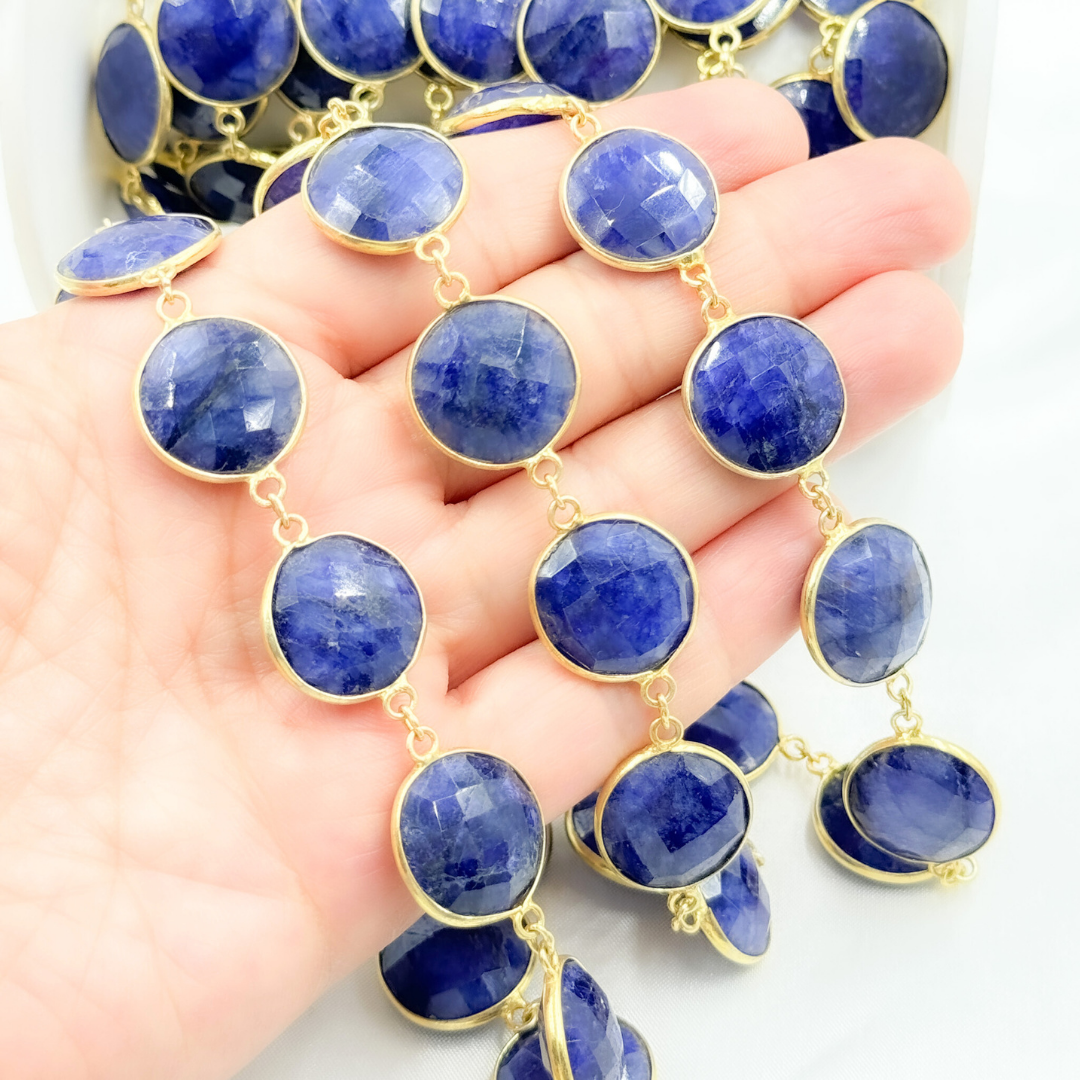
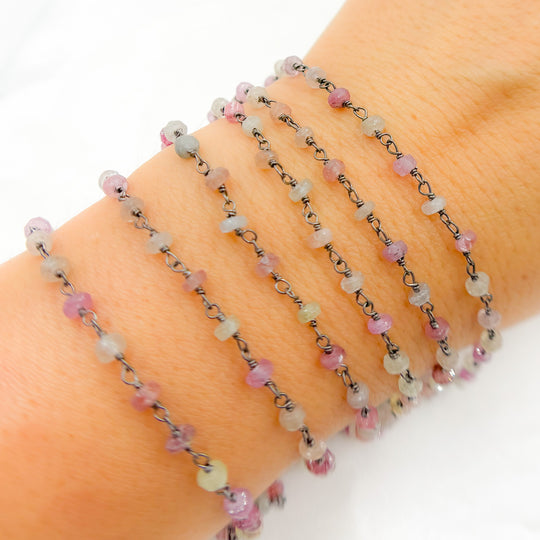
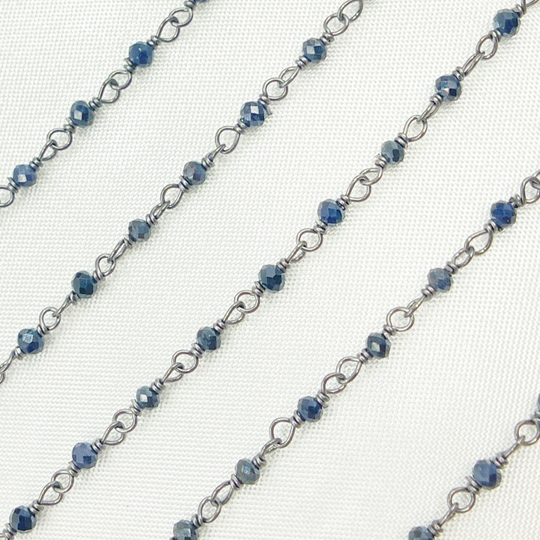
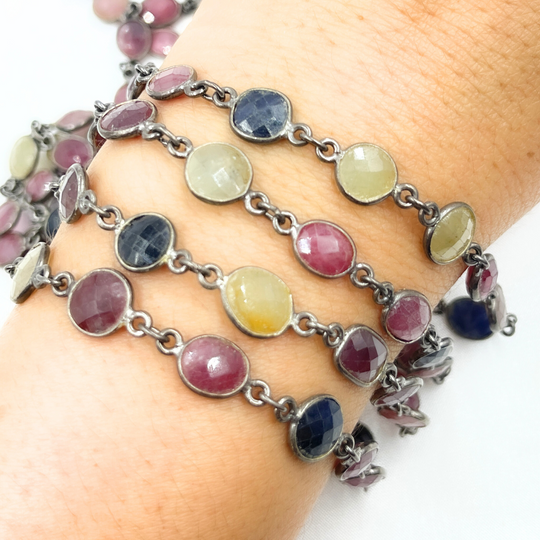
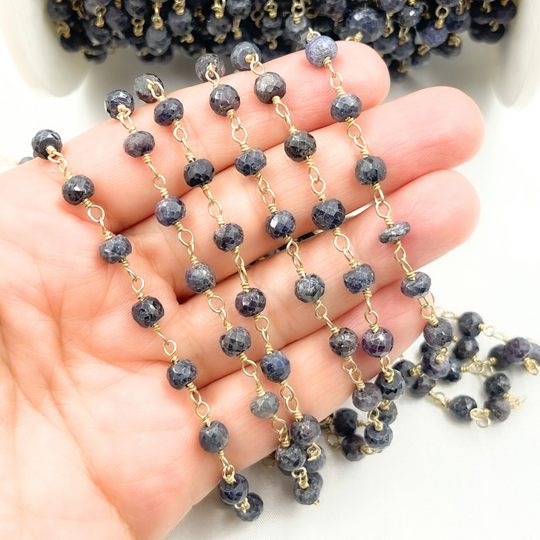
What Is a Fancy Sapphire?
A fancy sapphire is simply any sapphire that isn’t blue. Pink, yellow, white, purple, green, orange they all fall into this group. The name sounds decorative, but there’s nothing artificial about it. Fancy sapphires form naturally, just like blue ones. The only difference is which elements were present during formation.
People are choosing fancy sapphires more often now because they want jewelry that feels personal, not predictable.
Difference Between Blue Sapphire and Fancy Sapphire
The difference between blue sapphire and fancy sapphire is only about color. They’re the same stone. Same hardness. Same durability. Same natural origin.
Blue sapphires feel traditional. Fancy sapphires feel expressive. The right choice depends on personality, not quality.
Are Colored Sapphires Real Sapphires?
Yes. Colored sapphires are real sapphires. Anything made from natural corundum that isn’t red is a sapphire. Blue just happens to be the most famous.
Fancy sapphires are just as strong and genuine. When buying colored sapphires, honesty about treatments matters more than the color itself.
Choosing the Right Sapphire Color for Jewelry
- Blue suits classic tastes
- Pink and purple feel emotional and modern
- Yellow works well for bold designs
- White fits everyday wear
When choosing colored sapphire jewelry, think less about trends and more about what feels natural to you.
Rare Colors, Jewelry Choices & Real Buying Sense
Rare and Rarest Sapphire Colors
Once you move past the common sapphire shades, things start getting interesting. This is where sapphires stop feeling familiar and start feeling special. Rare colors aren’t about brightness or trends they’re about how uncommon the stone is and how naturally that color appears. Many people don’t even realise these shades exist until they see them in person.
Padparadscha Sapphire – The One Everyone Talks About
The Padparadscha sapphire is often called the rarest sapphire color and honestly, that reputation is deserved. This stone doesn’t sit comfortably in one color category. It’s not fully pink. It’s not fully orange. It’s somewhere in between, with a soft, warm glow that looks almost unreal. People often describe it as looking like a sunset inside a gemstone and that’s actually a good comparison.
True Padparadscha sapphires are extremely rare. The color has to fall within a very narrow range. If it’s too pink or too orange, it won’t qualify. That’s why genuine stones are hard to find and usually expensive. Most Padparadscha sapphires end up in custom-made jewelry. They’re not stones you see in mass-produced designs.
Other Rare Sapphire Colors Worth Knowing
Apart from Padparadscha, there are several other rare sapphire colors that collectors and gemstone lovers quietly admire.
- Teal sapphires – A natural mix of blue and green. Calm, modern and very popular right now.
- Green sapphires – Not bright green, but earthy and muted. Understated and elegant.
- Color-change sapphires – These shift color depending on lighting, often blue in daylight and purple under indoor light.
These sapphires aren’t chosen because they’re loud. They’re chosen because they feel different and different is rare.
Are Colored Sapphires Real Sapphires?
This question comes up more often than you’d think. Yes colored sapphires are real sapphires. Blue isn’t a requirement. Any natural corundum gemstone that isn’t red is classified as a sapphire.
The confusion exists because blue sapphires became famous first. Fancy sapphires came into the spotlight later. But structurally, they are the same gemstone. When buying colored sapphires, the real thing to look for isn’t color it’s honesty. Heat treatment is common and accepted. What matters is proper disclosure.
Choosing the Right Sapphire Color for Jewelry
This part is simple, but people overthink it. There is no “best” sapphire color. There’s only what fits you.
- Blue sapphires feel timeless and formal
- Pink sapphires feel emotional and personal
- Purple sapphires feel artistic and thoughtful
- Yellow sapphires feel confident and energetic
- White sapphires feel clean and everyday-friendly
Also think about how often you’ll wear the piece. A bold color might feel exciting in photos, but softer tones are often easier to live with daily. When choosing colored sapphire jewelry, always see the stone in natural light if possible. That’s where its true personality shows.
Sapphire Necklace Colors & Styling
Sapphires behave differently in necklaces compared to rings. In necklaces, color matters more than sparkle. The stone sits closer to the eye and catches light differently.
- Light blue, pink and white sapphires feel elegant and easy to wear
- Yellow and teal sapphires work beautifully as statement pendants
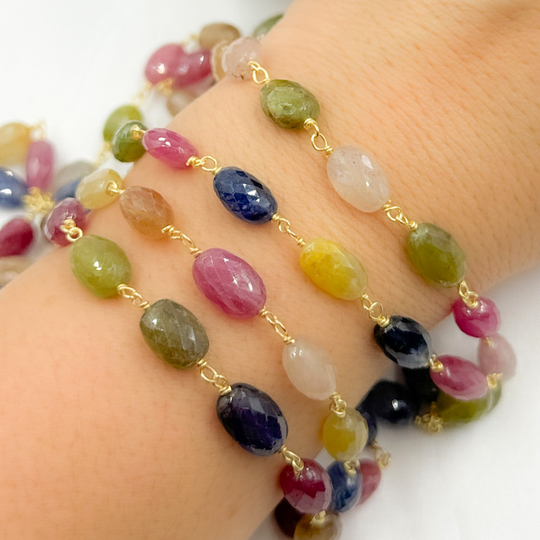
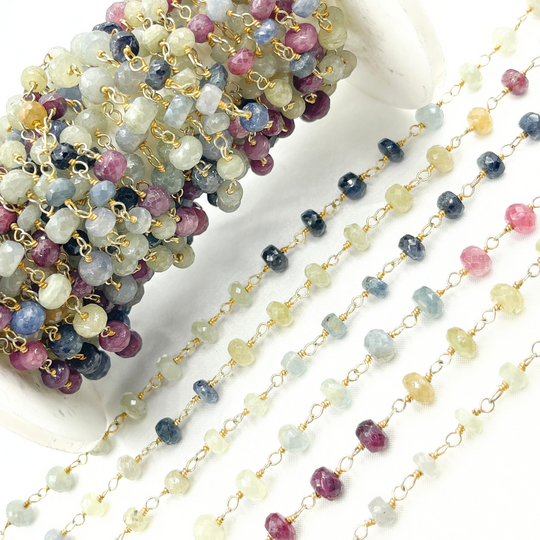
- Mixed sapphire necklaces feel modern and creative
Interest in sapphire necklace colors has grown because people want jewelry that feels expressive without being heavy.
Sapphire Gemstone Jewelry Trends (What People Are Actually Buying)
Forget runway trends. Let’s talk about what people genuinely choose.
- Smaller sapphires with better color instead of big dull stones
- Fancy sapphires in engagement rings
- Mixed sapphire designs instead of single-stone pieces
- Custom cuts that highlight color rather than size
People are moving away from “bigger is better” and focusing more on how the gemstone feels. That shift is exactly why sapphire gemstone jewelry continues to grow in popularity—it adapts without losing character.
How Jewels & Chains Can Help You Choose the Right Sapphire
Jewels & Chains focuses on helping people understand what they’re buying, not just what looks good on paper.
Choosing a sapphire involves balance color, cut, clarity and how the stone fits into your lifestyle. Guidance matters, especially when working with fancy or rare sapphire shades. The goal isn’t just to sell jewelry. It’s to help people choose pieces they’ll actually enjoy wearing.
Final Thoughts
Sapphires aren’t just blue stones locked into tradition. They’re expressive, versatile and deeply personal.
From classic blue to rare Padparadscha, the different types of sapphires offer something for every personality. Once you understand sapphire colors and rarity, choosing one stops feeling confusing and starts feeling natural. That’s the beauty of sapphires they don’t force a choice. They reveal one.
FAQs
1. What are the different types of sapphires?
Sapphires come in many natural colors, not just blue. Popular types include blue, pink, yellow, white, purple and other fancy shades. Each color has its own look and feel, even though the gemstone itself is the same. The choice mostly depends on personal taste and style.
2. What is a fancy sapphire?
A fancy sapphire is any sapphire that is not blue. This includes pink, yellow, white, purple, green, orange and even color-changing stones. Fancy sapphires are completely natural and formed the same way as blue sapphires. The term “fancy” only refers to color, not quality.
3. Which is the rarest sapphire color?
Padparadscha is considered the rarest sapphire color. It has a unique blend of pink and orange that must fall within a very specific range. Genuine Padparadscha sapphires are hard to find and are usually used in custom or high-value jewelry pieces.
4. Are colored sapphires real sapphires?
Yes, colored sapphires are 100% real sapphires. Any natural corundum gemstone that is not red is classified as a sapphire. Blue is simply the most well-known color. Fancy sapphires have the same durability and natural origin as blue sapphires.
5. Is sapphire suitable for everyday jewelry?
Sapphires are one of the hardest gemstones used in jewelry, making them ideal for daily wear. They resist scratches and hold their shape well over time. That’s why sapphires are commonly used in rings, necklaces and other everyday pieces.
