

What Is Sterling Silver? Your Complete Guide to 925 Silver, Purity, and Quality
Most people pick up a silver necklace, glance at the price, and buy it without asking a single question about the metal itself. Then months later they are standing in front of a mirror wondering why their "silver" bracelet left a green ring on their wrist or turned dull overnight.
That does not happen with genuine sterling silver. Understanding exactly what sterling silver is before you buy or gift a piece of jewelry is the difference between something that lasts a lifetime and something that ends up forgotten in a drawer.
This guide covers everything: what sterling silver is made of, what the 925 hallmark actually means, how it compares to pure silver, whether it tarnishes, and how to verify you are getting the real thing.
What Is Sterling Silver and What Is It Actually Made Of?
Sterling silver is a precious metal alloy containing 92.5% pure silver and 7.5% other metals, most commonly copper. That specific ratio is not arbitrary. It has been the accepted international standard for centuries and continues to be the benchmark for quality silver in jewelry, flatware, and decorative pieces worldwide.
Pure silver on its own is simply too soft. It bends, scratches, and loses its form under the everyday demands of being worn. The copper addition solves that entirely, adding the structural strength needed without changing the color, the shine, or the precious metal value of the silver.
Sterling silver meaning in trade terms refers specifically to this 92.5% alloy. Anything below that threshold cannot legally carry the sterling label.
Some modern versions use germanium instead of copper, creating what is called argentium sterling silver. It tarnishes more slowly and is becoming popular with contemporary jewelry designers. But the traditional copper formula remains the industry standard.
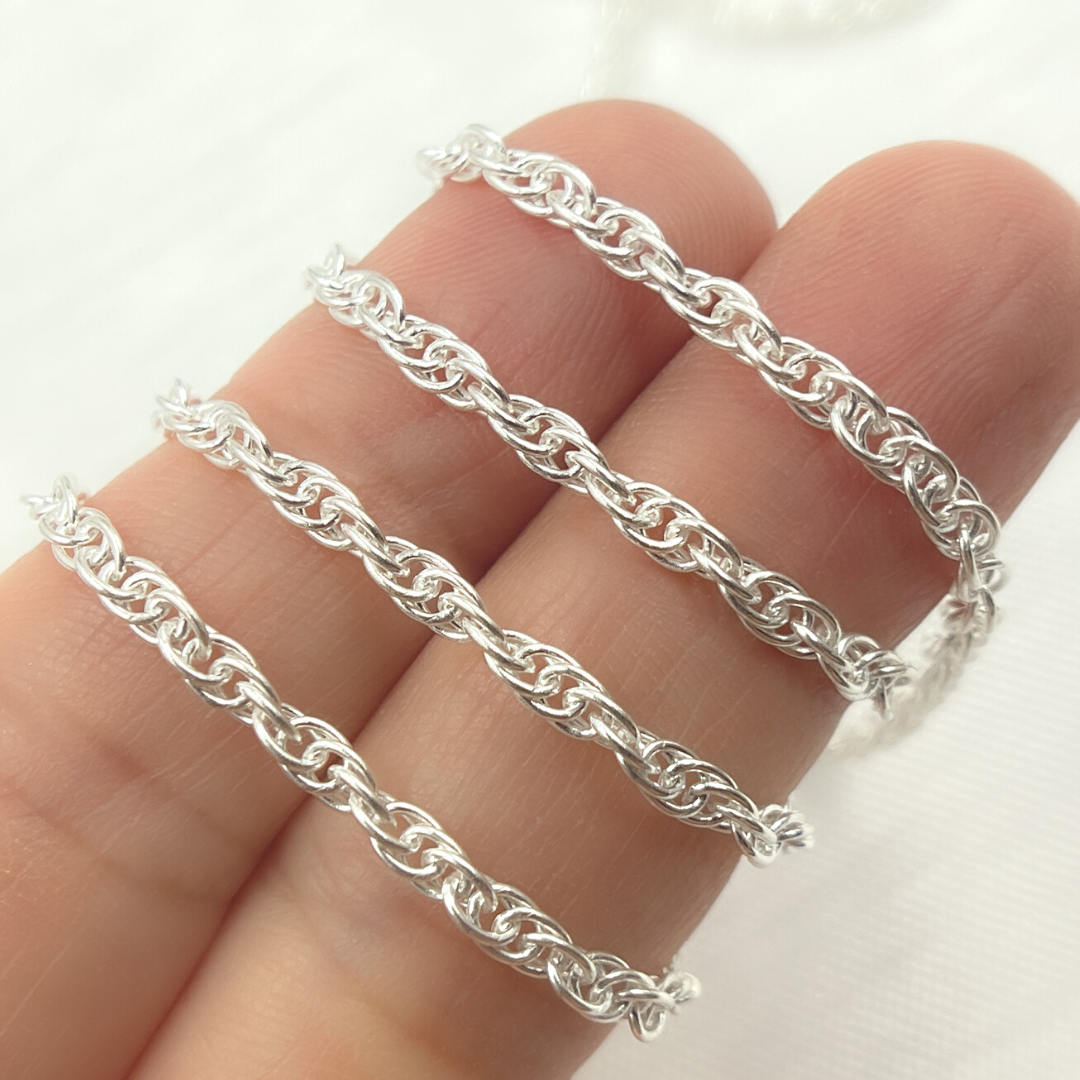
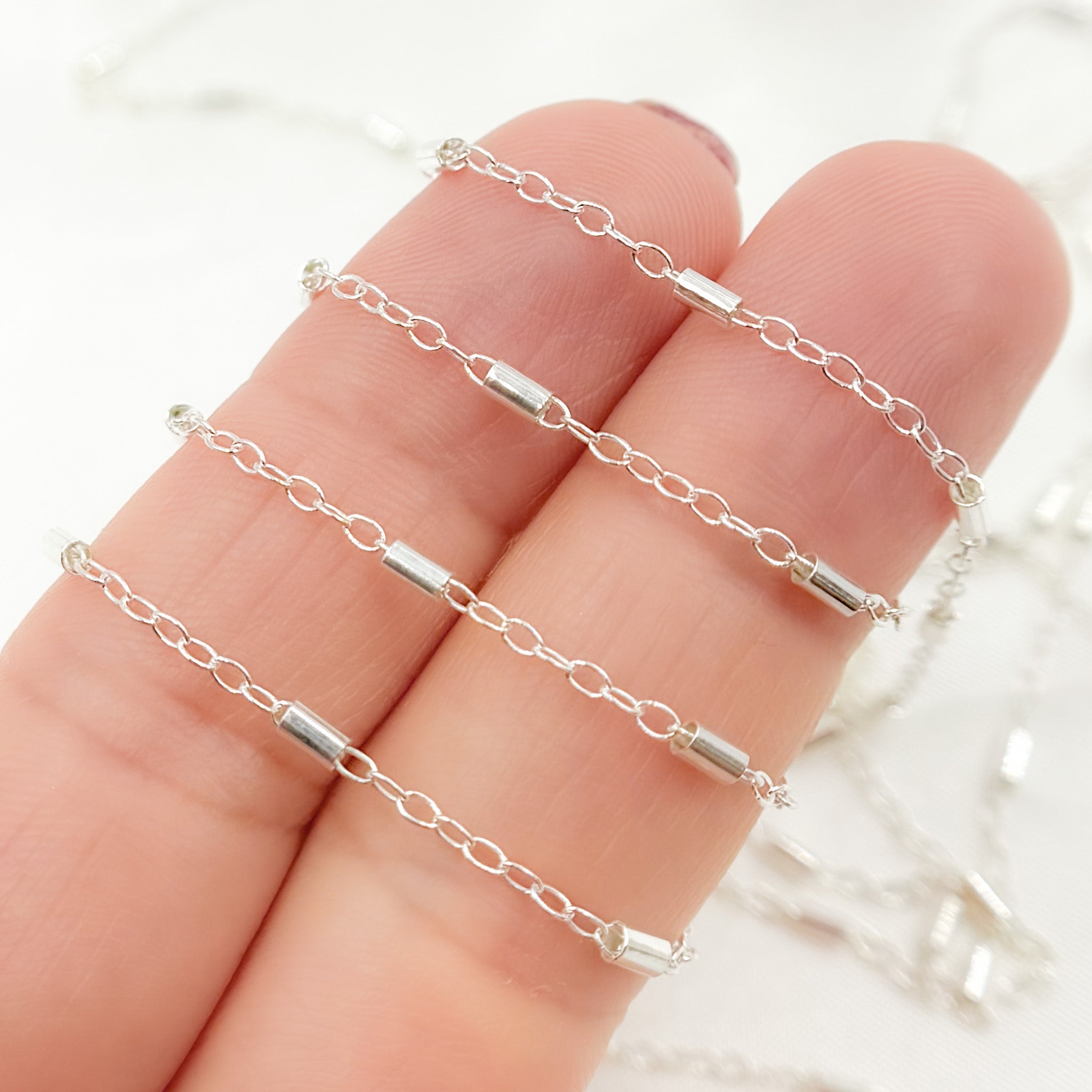
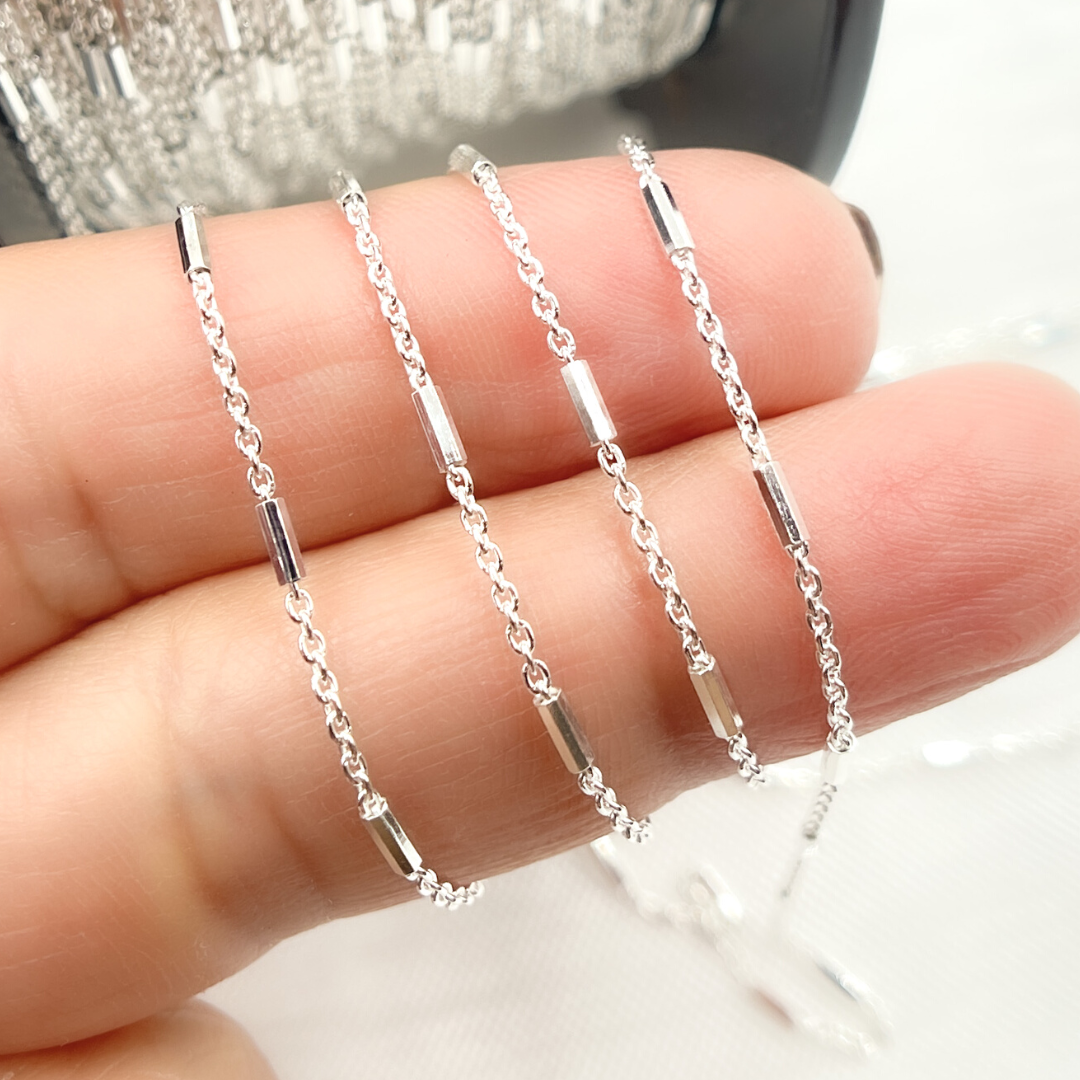
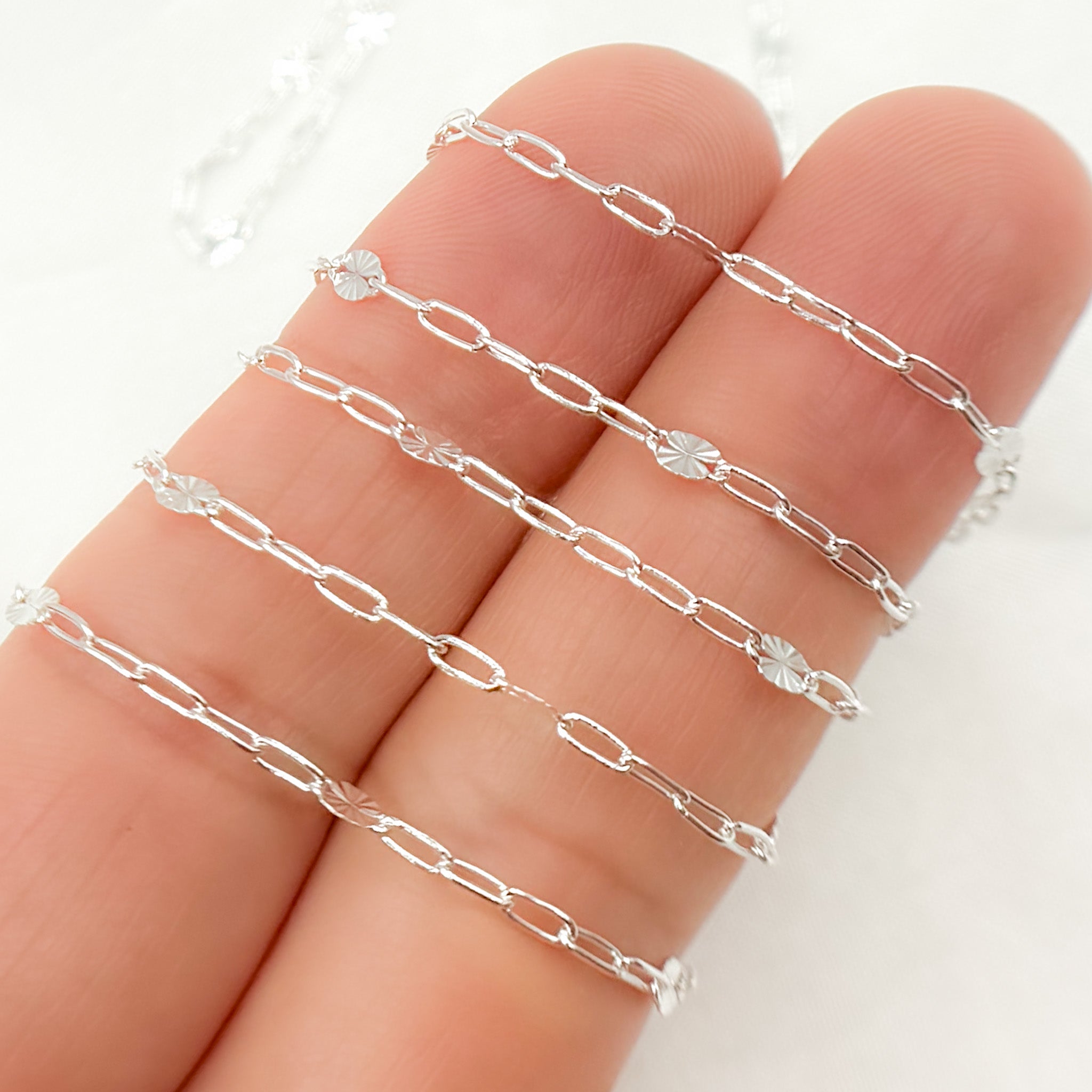
What Does 925 Mean? Understanding the Silver 925 Hallmark
The number stamped into your ring band or pressed near the clasp of a necklace is a purity certification. 925 silver means the metal contains 925 parts of pure silver per 1,000 parts total. In percentage terms, that is exactly 92.5%.
What does 925 sterling silver mean in plain language? It means the piece has been made to the internationally recognized sterling silver standard. It is the manufacturer's way of certifying, right in the metal itself, that what you are holding is genuine.
The stamp appears in a few different formats depending on the manufacturer and the market:
- 925 — the universal standard mark
- S925 — common in many Asian jewelry markets, identical meaning
- 92.5 — same as 925, written as a percentage
- STG or STER — sterling abbreviations used by some manufacturers
- Sterling — full word mark
Silver 925 meaning does not change based on the format. All of these confirm the same 92.5% silver composition. If none of these marks are present on a piece sold as silver, that absence is worth paying attention to.
Also Read: What Is 925 Silver? Quality, Value & Authenticity Guide
Is Sterling Silver Real Silver? Here Is the Honest Answer
Is sterling silver real silver? Yes, fully and without any qualification.
Sterling silver contains 92.5% genuine silver. The 7.5% copper added for structural strength does not reduce the authenticity or the precious metal status of the piece. Is 925 real silver in the sense that matters for buyers? Completely. Jewelers, appraisers, customs authorities, and insurance valuations all treat 925 sterling silver as a precious metal alloy because that is exactly what it is.
The confusion tends to come from comparing sterling silver to silver-plated items. Those are an entirely different thing. Silver-plated jewelry uses a base metal like brass or zinc alloy as its core, with a thin electroplated silver coating on the outside. It looks similar in photos. Under regular wear, the coating wears through and the base metal shows. Is sterling silver the same as silver plating? Not even close.
Is sterling silver 925 at its core? Yes. The two terms are completely interchangeable. Sterling silver is 925 silver. 925 sterling silver is sterling silver. Same material, same standard, same hallmark.
Also Read: Sterling Silver vs White Gold: Which One Is Better?
What Is the Difference Between Sterling Silver and Pure Silver?
Sterling silver vs silver is really a comparison between a refined alloy and a raw element. Both are real silver. The distinction is in composition, hardness, and what each one is actually useful for.
What Is Pure Silver?
What is pure silver? It is silver at 99.9% purity, marked with a 999 hallmark, and also called fine silver. No other metals are present in meaningful quantities. Fine silver is softer, slightly more matte in appearance, and genuinely hypoallergenic since it contains no copper.
But it is also far too fragile for jewelry that gets worn. Rings lose their shape. Thin chains snap. Clasps fail. Fine silver belongs in coins, bullion bars, and collectibles, not in a jewelry box meant for daily use.
Pure Silver vs Sterling Silver: The Practical Difference
What is the difference between silver and sterling silver comes down to one word: usability. Sterling silver was designed to be worn. Fine silver was not.
What's the difference between sterling silver and silver that matters to a buyer is this: you can wear sterling silver every day and it will hold up. Fine silver at the same use level would show damage within weeks.
|
Feature |
Pure Silver (999) |
Sterling Silver (925) |
|
Silver Content |
99.9% |
92.5% |
|
Hardness |
Very soft, fragile |
Durable, wearable |
|
Jewelry Use |
Rarely |
Universal standard |
|
Tarnish Behavior |
Slower |
Moderate, fully reversible |
|
Price Per Gram |
Slightly higher |
Accessible |
|
Hallmark |
999 |
925 |
|
Best For |
Coins, bullion, collecting |
Jewelry, chains, flatware, gifting |
Price difference between silver and sterling silver at the retail jewelry level is genuinely small. The alloy content is only 7.5%, so the silver value is nearly identical. What drives price in silver jewelry is design, craftsmanship, and the reputation of the maker, not this minor difference in metal purity.
Which is better, silver or sterling silver for jewelry is not a hard call. Sterling silver, every time.
Is 925 Sterling Silver Good Quality? Worth Buying?
Is 925 sterling silver good quality? It is the material the entire fine jewelry industry relies on. Major designers, independent craftspeople, and respected retail brands all work primarily in 925 sterling silver. That is not an accident.
Is sterling silver good for long-term use? A well-made piece can last decades. It is solid all the way through, meaning there is no coating to wear off and no base metal underneath to corrode. The same piece that looks beautiful today will look the same twenty years from now with basic care.
Is 925 silver good compared to silver-plated alternatives? There is no meaningful comparison. Plated pieces degrade over time. Sterling silver does not. That difference in durability is the entire reason the 925 hallmark matters to buyers.
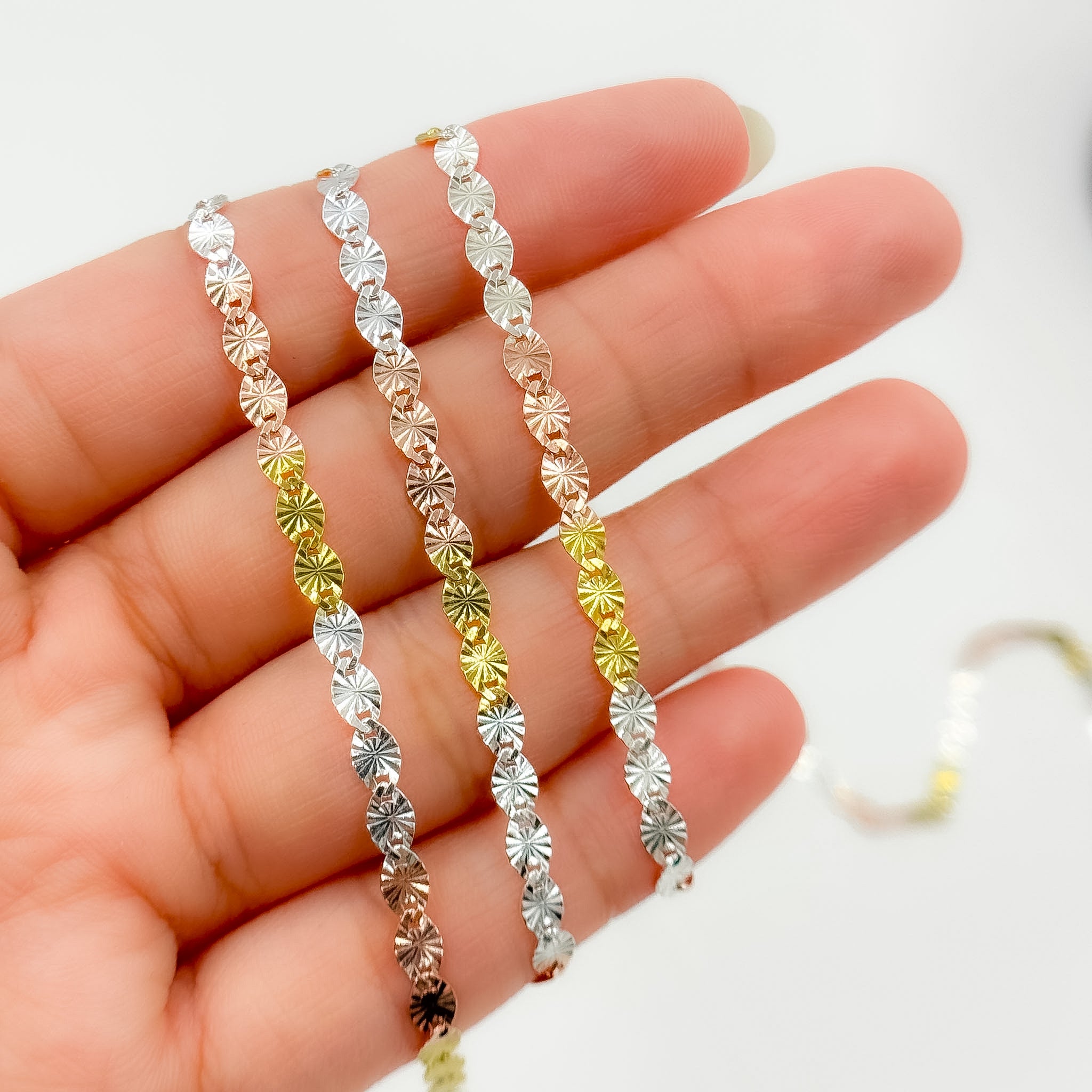
White Silver, Gold Plated, and Rose Gold Plated Silver Diamond Cut Marina Chain
SHOP NOW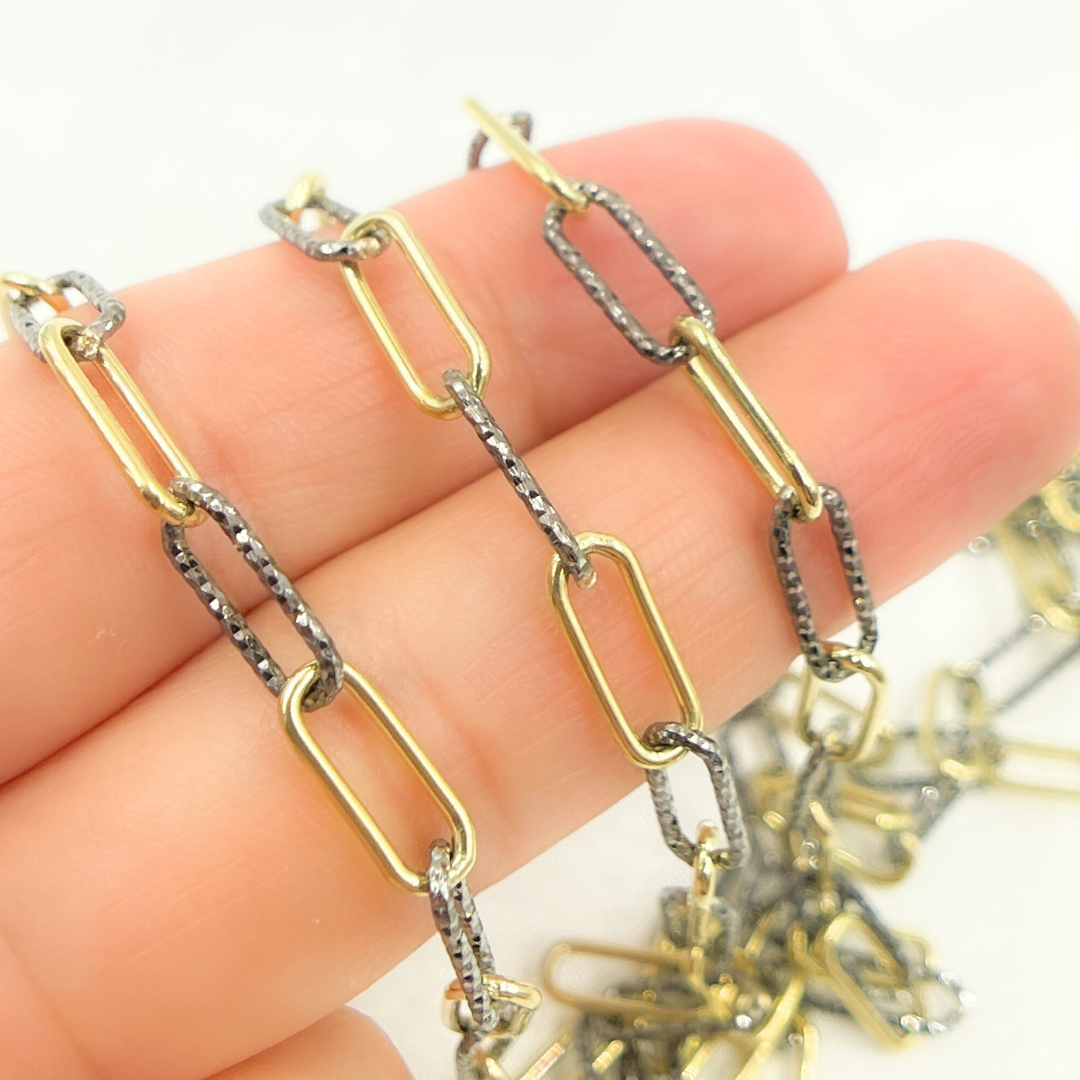
Black Rhodium & Gold Plated 925 Sterling Silver Smooth & Diamond Cut Paperclip Chain
SHOP NOW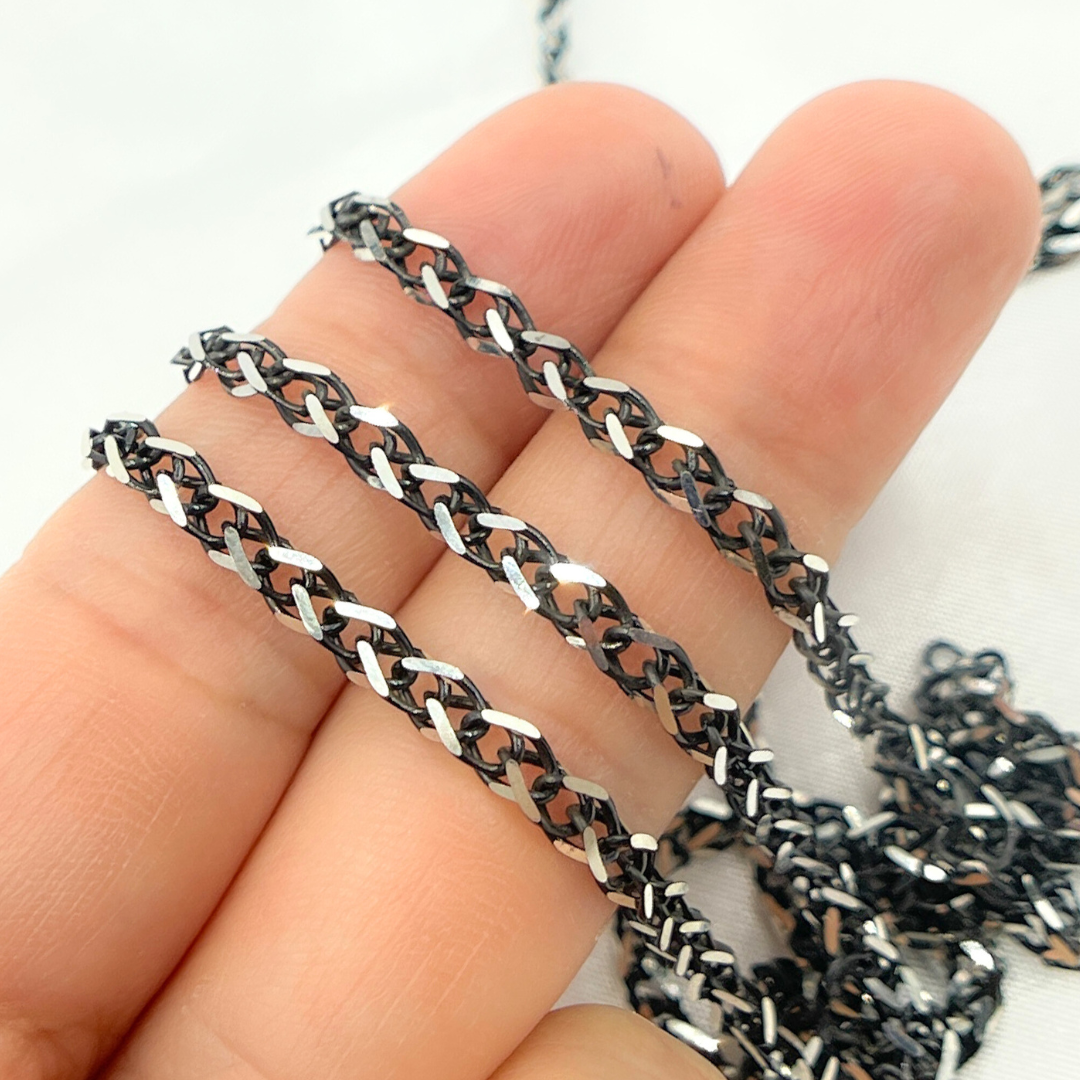
X8SB. Black Rhodium 925 Sterling Silver Wheat Chain
SHOP NOW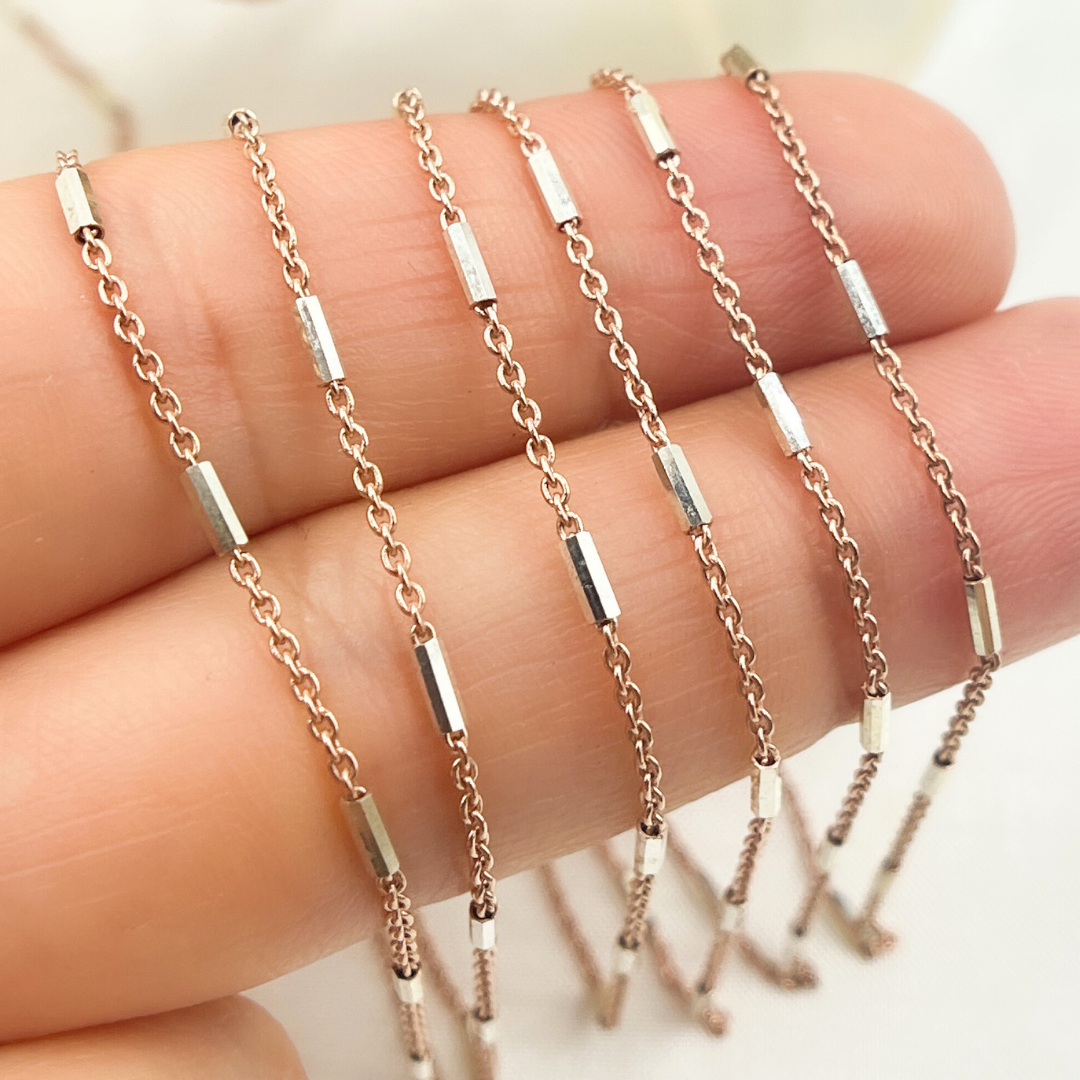
Z9RGS. Rose Gold Plated Sterling Silver Satellite Tube Chain
SHOP NOWDoes 925 Sterling Silver Tarnish? What You Should Expect
Does sterling silver tarnish? Yes, and any seller who claims otherwise is not being honest. Tarnish forms when silver reacts with sulfur compounds in air, skin oils, perfumes, and household chemicals. It appears as a yellowing or darkening on the surface. Does 925 sterling silver tarnish at the same rate as lower-quality silver alloys? Yes, though proper storage significantly slows the process.
The important thing is that tarnish is entirely surface-level. It does not damage the metal underneath. It comes off completely with basic cleaning and leaves the silver looking exactly as it did originally.
Also Read: How to Clean Silver Jewelry
How to Clean Sterling Silver at Home
A few methods that actually work:
- Mild dish soap and warm water — A soft cloth or old toothbrush, a gentle scrub, rinse well, dry completely. Air-drying leaves water spots that speed up future tarnishing.
- Baking soda paste — Mix with a few drops of water, apply gently, rinse, and buff dry with a lint-free cloth.
- Silver polishing cloth — Purpose-made and the fastest option for light surface tarnish.
- Aluminum foil soak — Line a bowl with foil, add hot water and a tablespoon of baking soda, submerge the piece for five minutes. The tarnish migrates from the silver to the foil through a simple chemical reaction. It works better than it sounds.
Avoid bleach, chlorine, and abrasive scrubs. Store silver in airtight anti-tarnish pouches between uses, and keep silica gel packets in the storage container to absorb moisture.
How Do You Verify Genuine 925 Sterling Silver Before Buying?
Knowing how to check before buying protects you from purchasing silver-plated items at sterling silver prices. These methods are reliable:
Check for hallmarks. Genuine sterling silver carries a 925, S925, STG, STER, or Sterling stamp. On rings it sits inside the band. On chains and bracelets it appears near the clasp. On pendants it is usually on the reverse side. No hallmark on a piece sold as sterling silver is an immediate concern.
Magnet test. Sterling silver has no magnetic properties. Hold a strong magnet close to the piece. Real silver will not respond. Many base metals used beneath silver plating are magnetic, which makes this a quick and easy first check.
Thermal conductivity test. Silver conducts heat faster than nearly any other metal. Place a small ice cube directly on the jewelry surface. Genuine sterling silver begins melting it almost immediately. Most imitation materials react far more slowly.
Buy from established sellers. The most straightforward protection is purchasing from jewelers who clearly label their materials, provide proper hallmarking, and stand behind the authenticity of their products.
Common Sterling Silver Hallmarks at a Glance
|
Hallmark |
What It Confirms |
|
925 |
Sterling silver, 92.5% pure silver |
|
S925 |
Sterling silver, alternate format |
|
STG / STER |
Sterling abbreviations |
|
Sterling |
Full word certification mark |
|
999 |
Fine silver, 99.9% pure |
|
EP / EPNS |
Electroplated silver, not solid sterling |
Any piece marked EP or EPNS is silver-plated, not sterling silver. The appearance may look similar but the material is fundamentally different.
Why Does Sterling Silver Make Such a Meaningful Gift?
Silver has been a gift of significance across cultures for centuries. Not because it is the most expensive option available. Because it lasts.
A sterling silver piece given today can still look beautiful in twenty years. It does not go out of style. It does not degrade quietly the way plated pieces do. It stays exactly what it was when it was given.
For mothers specifically, that longevity carries real meaning. A mother's jewelry is not worn to impress. It is worn because it holds something. A moment, a person, an occasion that mattered. Sterling silver holds all of that without failing.
There is also something quietly fitting about a metal that is genuinely precious but never showy. The subtle brightness of a 925 sterling silver chain sits perfectly against everyday life and formal occasions alike.
If you are looking for genuinely crafted sterling silver pieces that are verified for metal quality, Jewels And Chains carries a well-chosen range of 925 sterling silver chains designed for daily wear and meaningful gifting. Their collection covers clean minimal styles through to more detailed occasion pieces, all made from authenticated sterling silver.
925 Silver: Pure or Not? Clearing Up the Confusion
925 silver is pure or not deserves a direct answer. Sterling silver is not 100% pure silver. Pure silver sits at 99.9%. Sterling silver is 92.5% silver, which classifies it as a high-purity precious metal alloy rather than a raw element.
But purity and quality are not the same thing. At 92.5% silver content, sterling silver is officially recognized as a precious metal in every legitimate market worldwide. Jewelers, appraisers, insurance companies, and customs authorities all classify and value it as genuine silver.
Calling sterling silver impure because of a 7.5% alloy addition is technically accurate in a chemistry lab and practically misleading in every real-world context. For jewelry, for gifting, and for lasting value, 925 sterling silver is the real thing.
Conclusion: What Sterling Silver Actually Means for You
What is sterling silver in practical terms is the most trusted, most widely used, and most durable form of genuine silver available for jewelry. It is 92.5% pure silver, certified with a 925 hallmark, solid through and through, and built to last in ways that pure silver and silver-plated items simply cannot match.
When you choose sterling silver, whether for yourself or as a gift for someone you care about, you are choosing something that carries real value and real longevity. That combination, precious metal quality at everyday wearability, is exactly why sterling silver has been the jewelry standard for centuries and continues to be today.
Look for the 925 hallmark. Buy from sellers who stand behind their materials. Take basic care of it. And when you give it, give it knowing it will last.
Frequently Asked Questions About Sterling Silver
Q1. What is sterling silver and how is it used in jewelry?
Sterling silver is a precious metal alloy made from 92.5% pure silver and 7.5% copper or other metals. It is used to craft rings, necklaces, chains, bracelets, and earrings because it combines the beauty of fine silver with the durability required for regular wear.
Q2. What is the difference between sterling silver and pure silver?
Pure silver is 99.9% silver and too soft for practical jewelry use. Sterling silver is 92.5% silver with added alloys for strength. For any jewelry meant to be worn regularly, sterling silver is the professional standard. Pure silver is better suited for coins and bullion.
Q3. Is 925 sterling silver real silver?
Yes, completely. The 925 hallmark confirms 92.5% genuine silver content, meeting the internationally accepted standard for authentic sterling silver. It is not silver-plated or imitation silver.
Q4. Does sterling silver tarnish over time?
It does. Tarnish forms from exposure to sulfur compounds in air and on skin. It is fully reversible with mild soap, a polishing cloth, or a baking soda soak at home and does not indicate low quality.
Q5. How do I verify that a piece of jewelry is genuine sterling silver?
Check for a 925, S925, STG, or Sterling hallmark on the piece. Test with a magnet since sterling silver is non-magnetic. For definitive verification, consult a professional jeweler for an acid test.
Q6. Is sterling silver the same as silver-plated jewelry?
No. Sterling silver is solid precious metal all the way through. Silver-plated items are base metals with a thin silver coating that wears off with use. The difference in long-term quality and value is significant.
Q7. What does S925 mean on a piece of jewelry?
S925 is a hallmark indicating sterling silver with 92.5% pure silver content, equivalent to the standard 925 stamp. It is commonly used in many international jewelry markets.
Q8. Which is better for jewelry, pure silver or sterling silver?
Sterling silver is better for any jewelry intended to be worn. It holds its shape, withstands daily use, and maintains its appearance over time. Pure silver is too soft for practical jewelry applications.
Q9. Where can I buy genuine sterling silver jewelry online?
Jewels And Chains offers an authenticated range of 925 sterling silver chains and jewelry pieces suitable for everyday wear and meaningful gifting.
Q10. Is sterling silver safe for sensitive skin?
Most people wear sterling silver comfortably. However, since it contains copper, individuals with copper sensitivity may occasionally experience mild reactions. Argentium sterling silver, which uses germanium instead of copper, is a better option for those with copper sensitivity.
