


Gold Chain Clasp Types: Which Is Most Secure?
A well-made lobster clasp or a box clasp with a safety catch will usually give you the strongest hold on a gold chain. But there's no single answer that works for every necklace. Security comes down to how the clasp is built, how heavy your chain is, and how it gets worn day to day. A thick 14K rope chain paired with a flimsy spring ring is only as strong as that spring ring, not the chain itself. That's the part people miss. The clasp is small, but on a gold chain, it's often the first thing to fail. Before you buy or replace one, it helps to know what you're actually comparing.
What Is a Gold Chain Clasp?
A clasp is the small mechanism that joins the two ends of a chain or necklace so it stays closed around your neck. It usually sits at the back, connected to the chain through a jump ring or a soldered link. That connection point matters just as much as the clasp itself. A strong clasp attached to a thin, poorly closed jump ring is still a weak point.
There are several gold chain clasp types on the market, and they're not interchangeable. Some are made for fine, delicate chains. Others are built to carry heavier links and pendants without bending or popping open. When you're evaluating security, look at the clasp and its connecting ring as one system, not two separate parts.
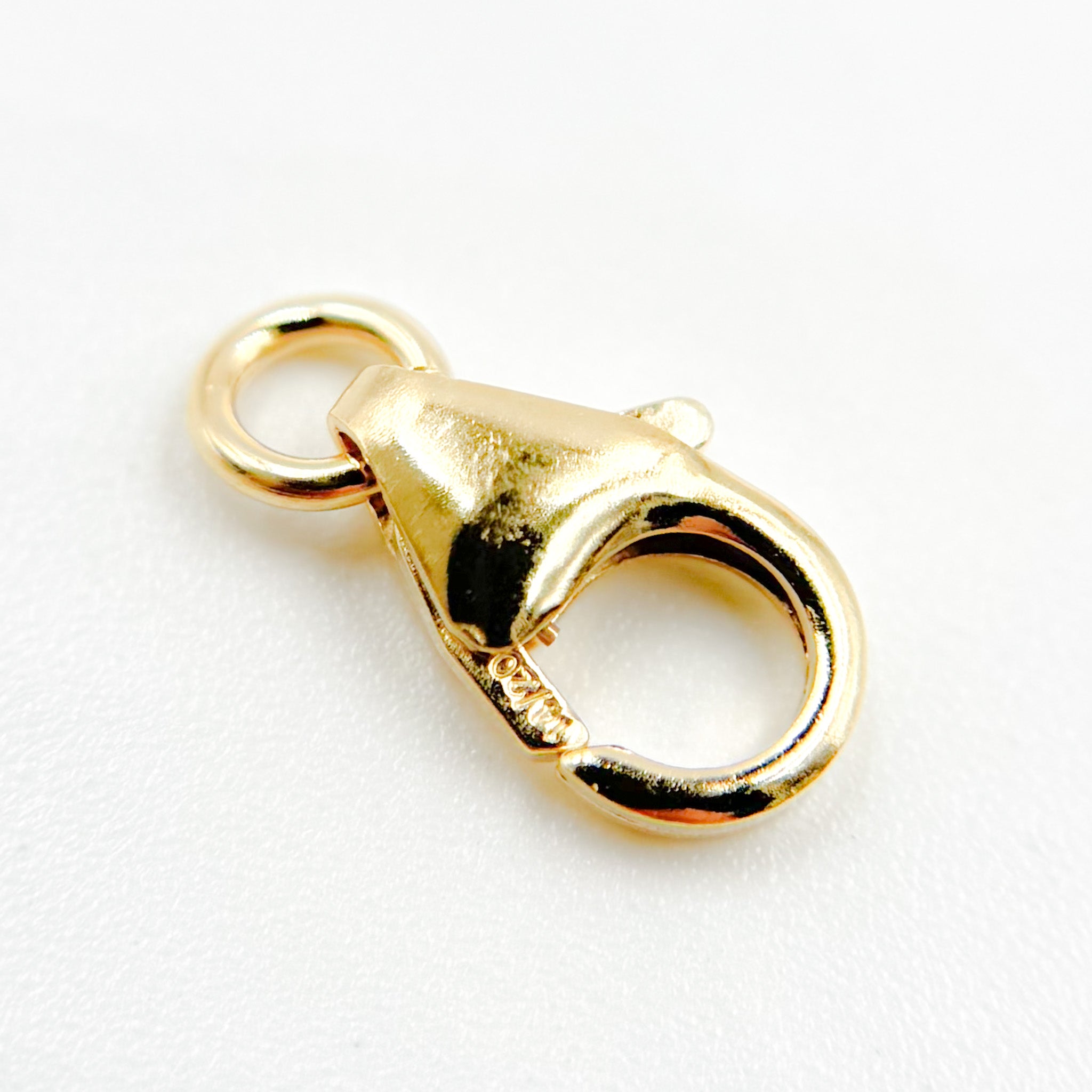
8mm Gold Filled Trigger Clasp
VIEW PRODUCT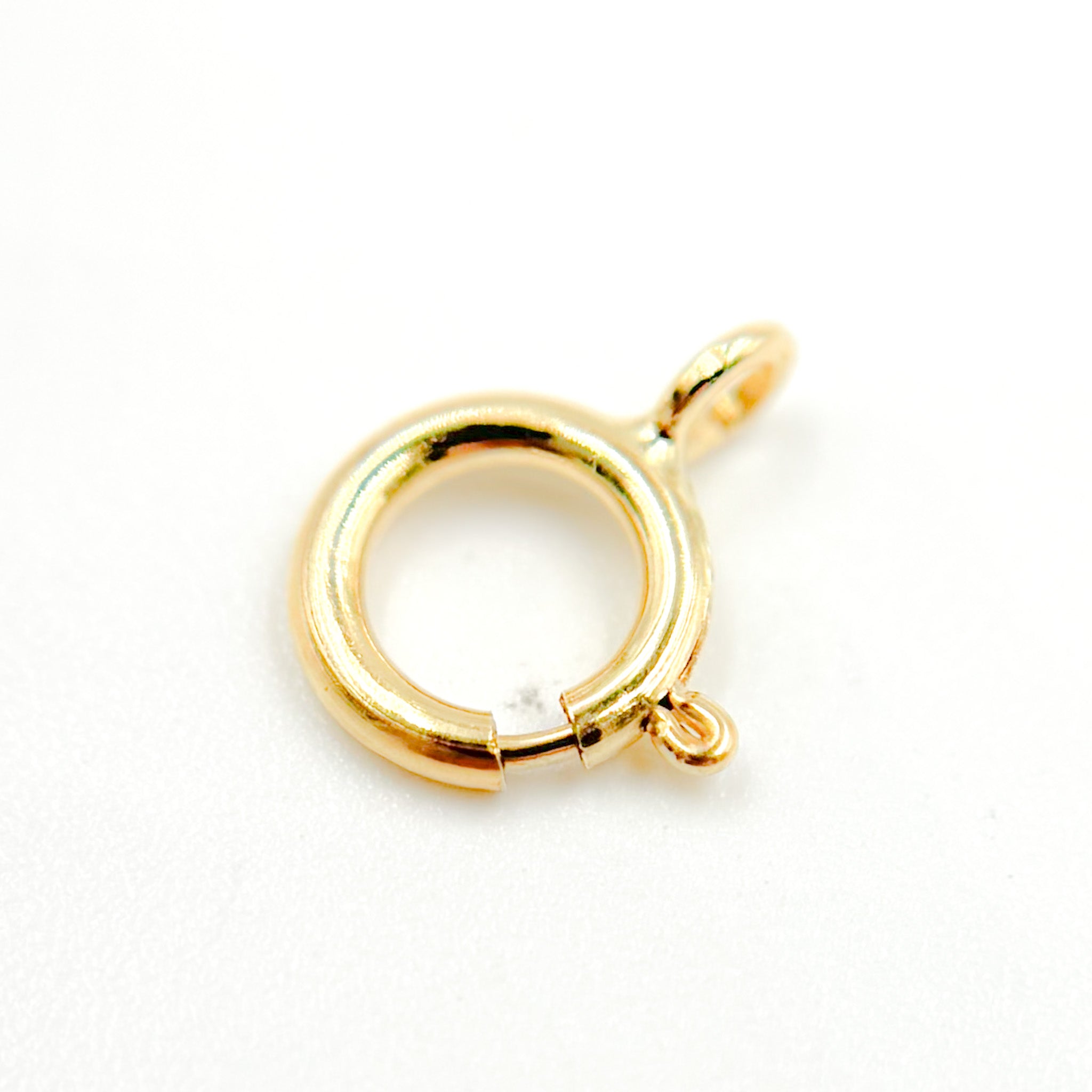
6MM Gold Filled Spring Ring Clasp
VIEW PRODUCT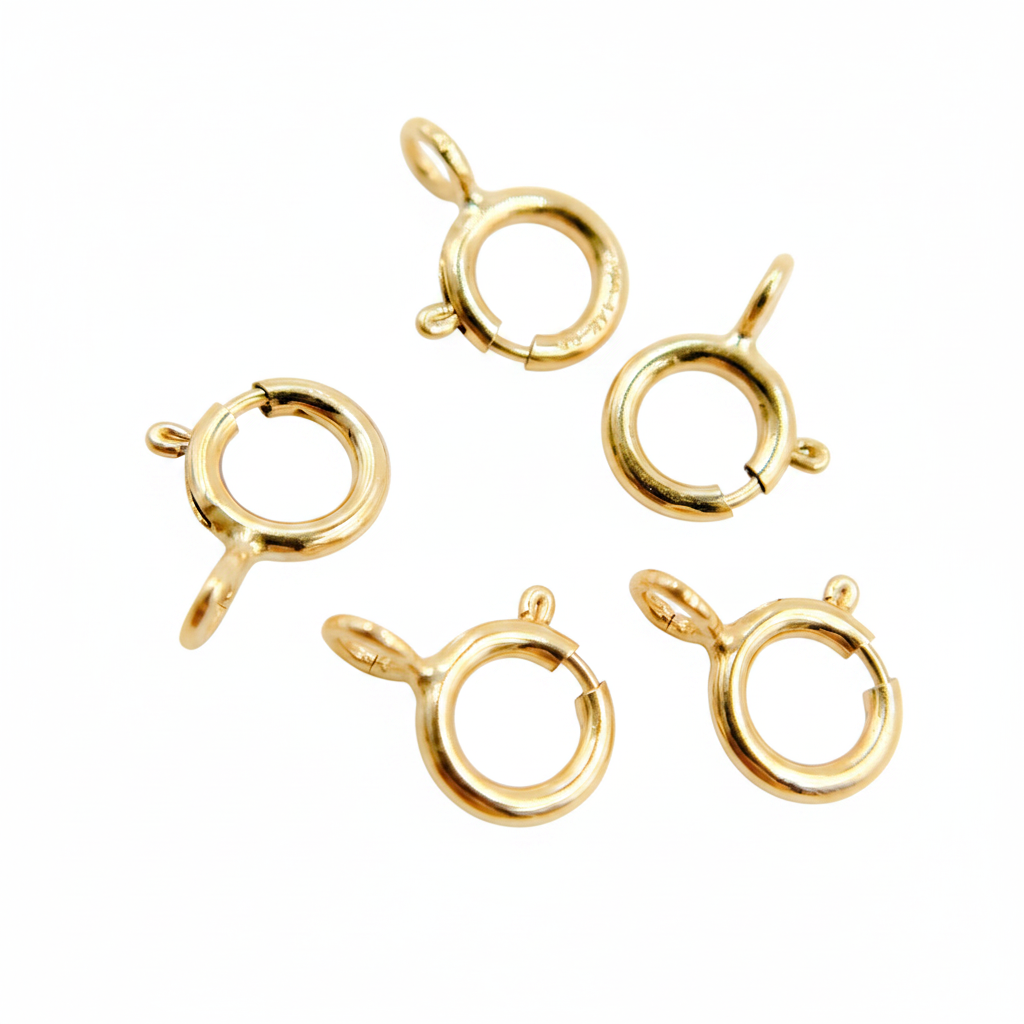
5mm Gold Filled Spring Ring Clasp
VIEW PRODUCT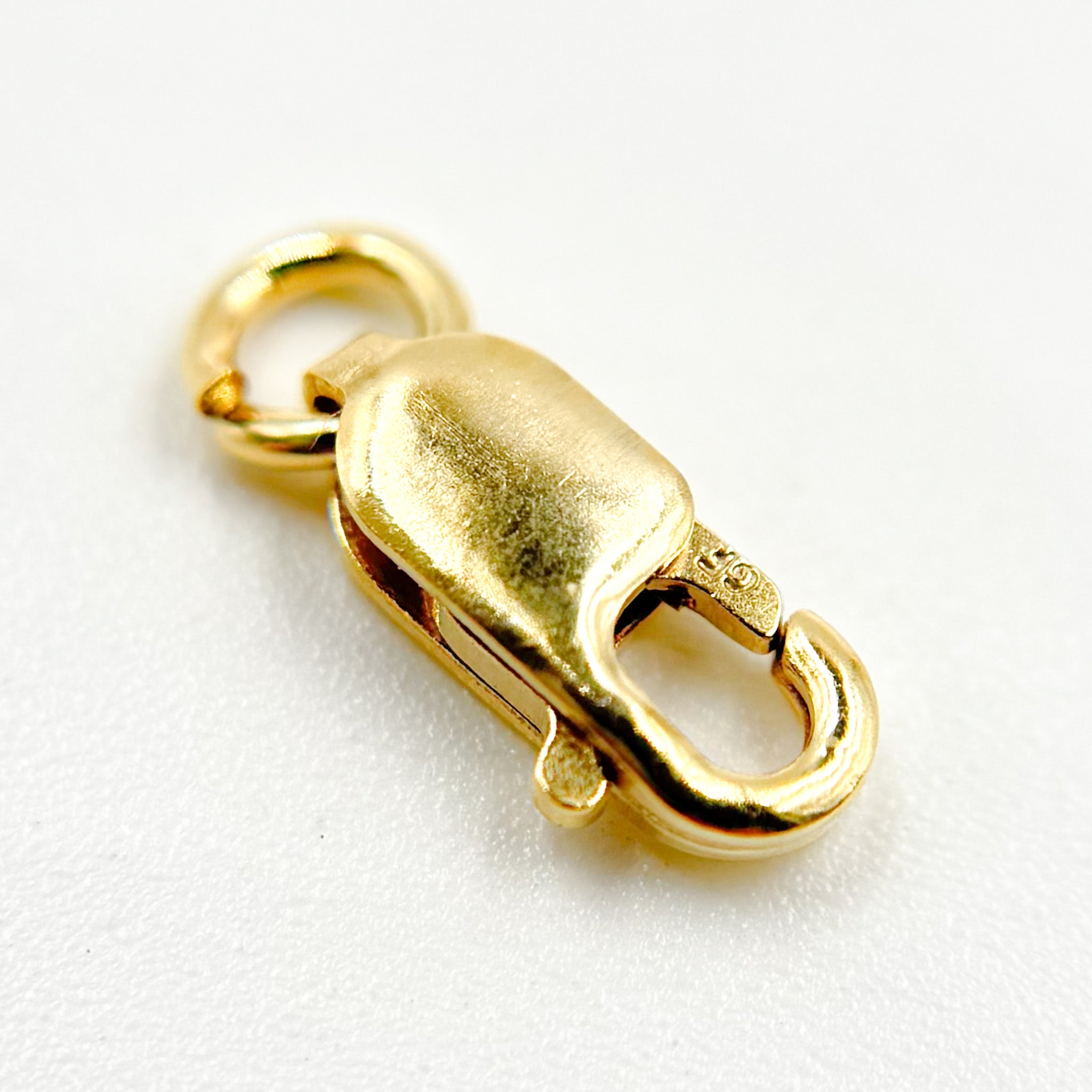
8mm Gold Filled Lobster Clasp
VIEW PRODUCTTypes of Clasps for Gold Chains
Lobster (trigger) clasps use a spring-loaded lever inside a curved metal body. Push the lever, the gate opens, release it, and it snaps shut. They're common on gold chains from thin box chains to heavier curb and rope styles because they scale up in size without losing much strength.
Spring ring clasps work on a similar idea, but the mechanism is a small round ring with an internal spring, and you push a tiny lever to open it. They're standard on delicate gold chains and vintage pieces, though the smaller mechanism can wear out faster with frequent use.
Box clasps slide a tongue into a box housing until it clicks shut, sometimes with a folding safety latch on top. You'll see these on bracelets and on higher-end gold necklaces where a flatter, more finished look matters.
Toggle clasps pair a bar with a ring, and the bar sits perpendicular once through the ring. They look great on layered or statement pieces but rely on gravity and positioning, which makes them less ideal for daily wear or heavy pendants.
Screw or barrel clasps twist closed, which gives a very secure hold, but they're slower to use one-handed and less common on modern gold chains.
Hook-and-eye clasps are simple and decorative, mostly seen on fashion or vintage jewelry rather than fine gold chains meant for daily wear.
Magnetic clasps snap together via magnetic force with no moving parts to fatigue, but they trade off maximum holding strength for convenience.
Which Gold Chain Clasp Is the Most Secure?
There isn't one clasp that wins in every situation, and honestly, anyone who tells you otherwise is oversimplifying it. That said, some patterns hold up consistently.
For everyday gold chains, a properly sized lobster or trigger clasp tends to be the most secure gold chain clasp in practical terms. The spring mechanism is sturdier than a spring ring's, it's easier to open and close one-handed, and larger versions handle heavier links well.
Box clasps come into their own on higher-value or heavier necklaces, especially when they include a folding safety latch. That extra step means the clasp has to fail twice before the chain comes off, which matters a lot on an expensive piece.
Spring rings are fine for light, delicate chains but aren't the strongest option once you add weight or a pendant. Toggle clasps are secure when sized and positioned correctly, but they're not the top pick for constant daily wear. Magnetic clasps sit at the more convenient, less rugged end of the spectrum.
Size and construction quality shift these rankings more than the clasp name does.
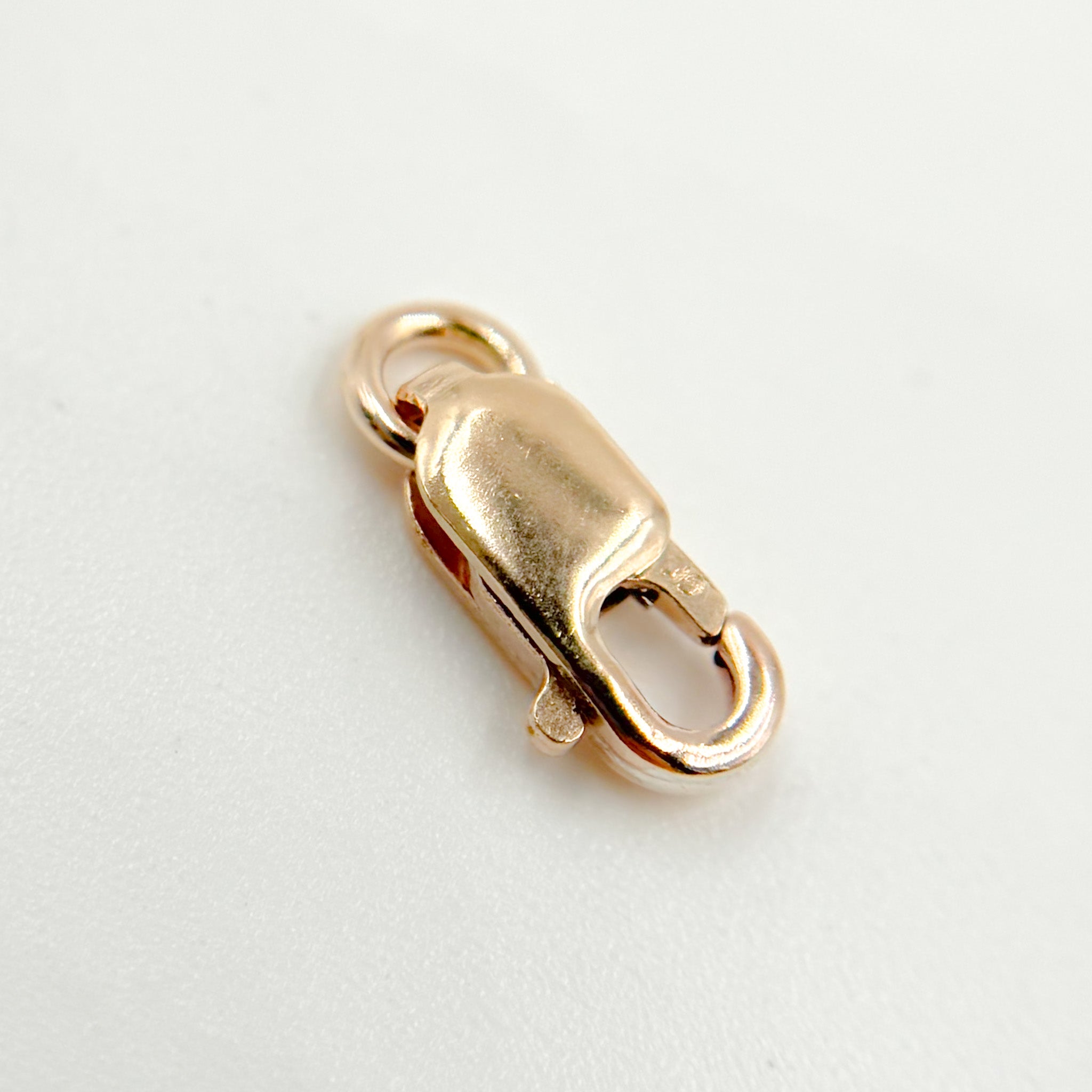
8mm Rose Gold Filled Lobster Clasp
VIEW PRODUCT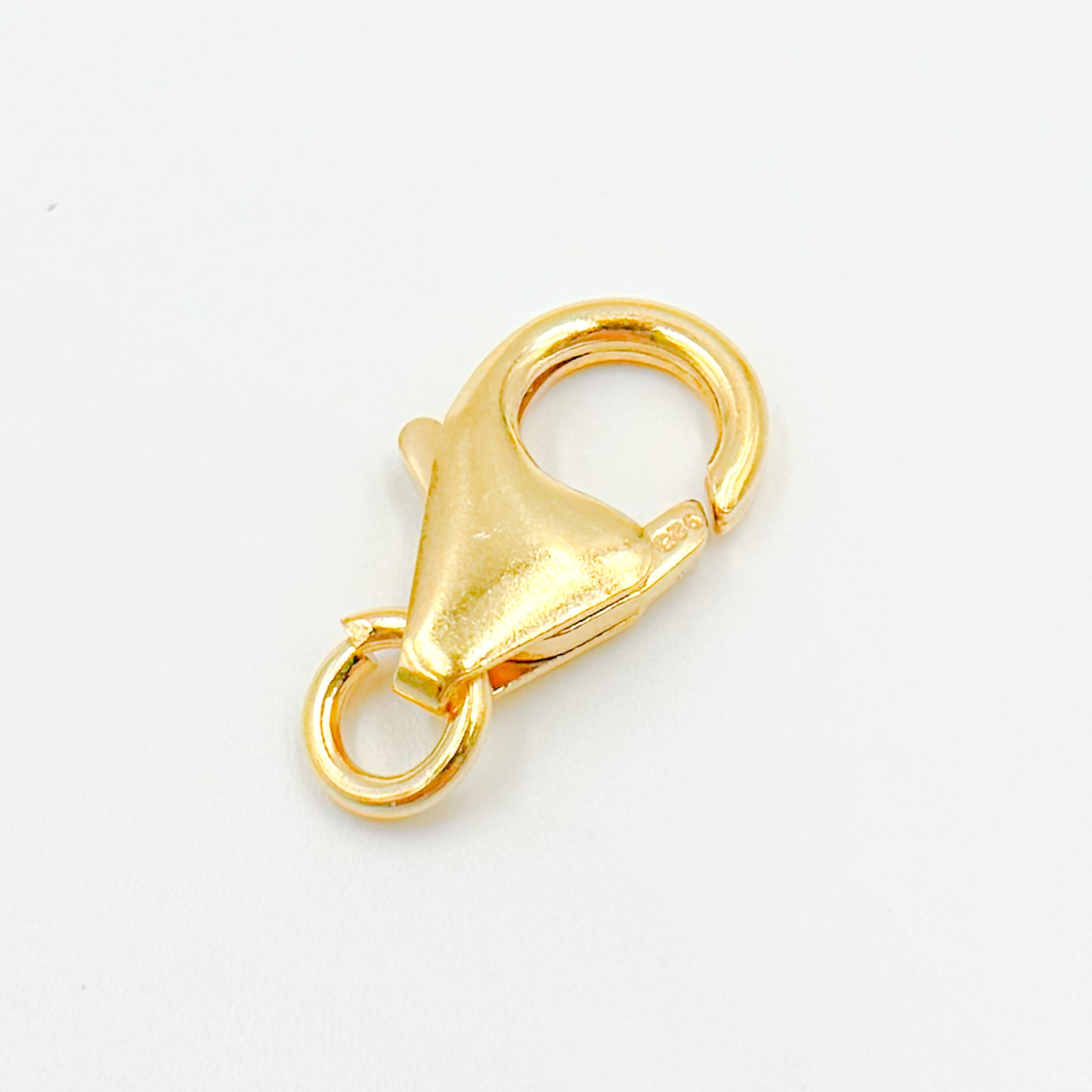
8MM Gold Plated Silver Trigger Clasp
VIEW PRODUCT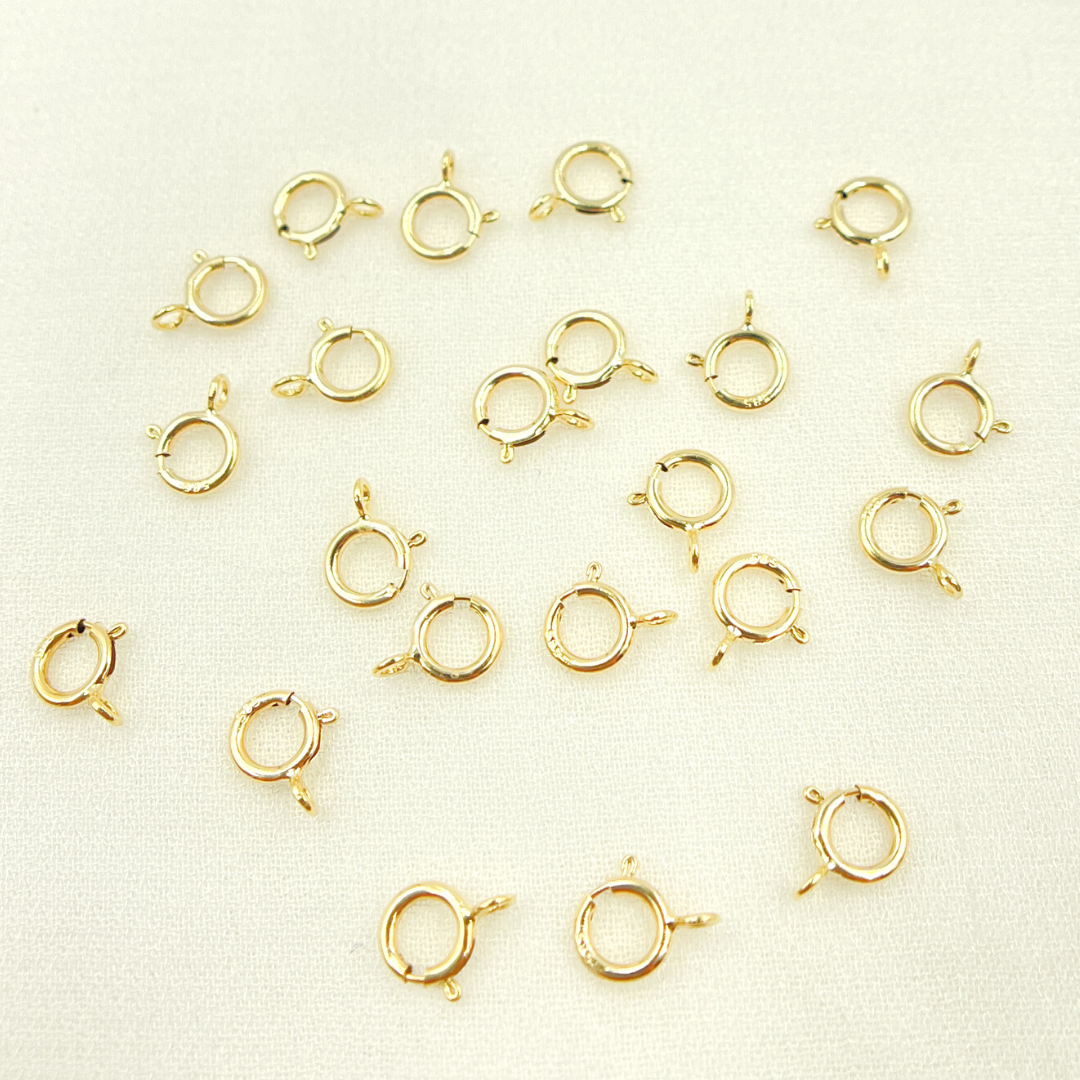
SRC1-14K. 14K Solid Gold Spring Ring 5.5mm
VIEW PRODUCT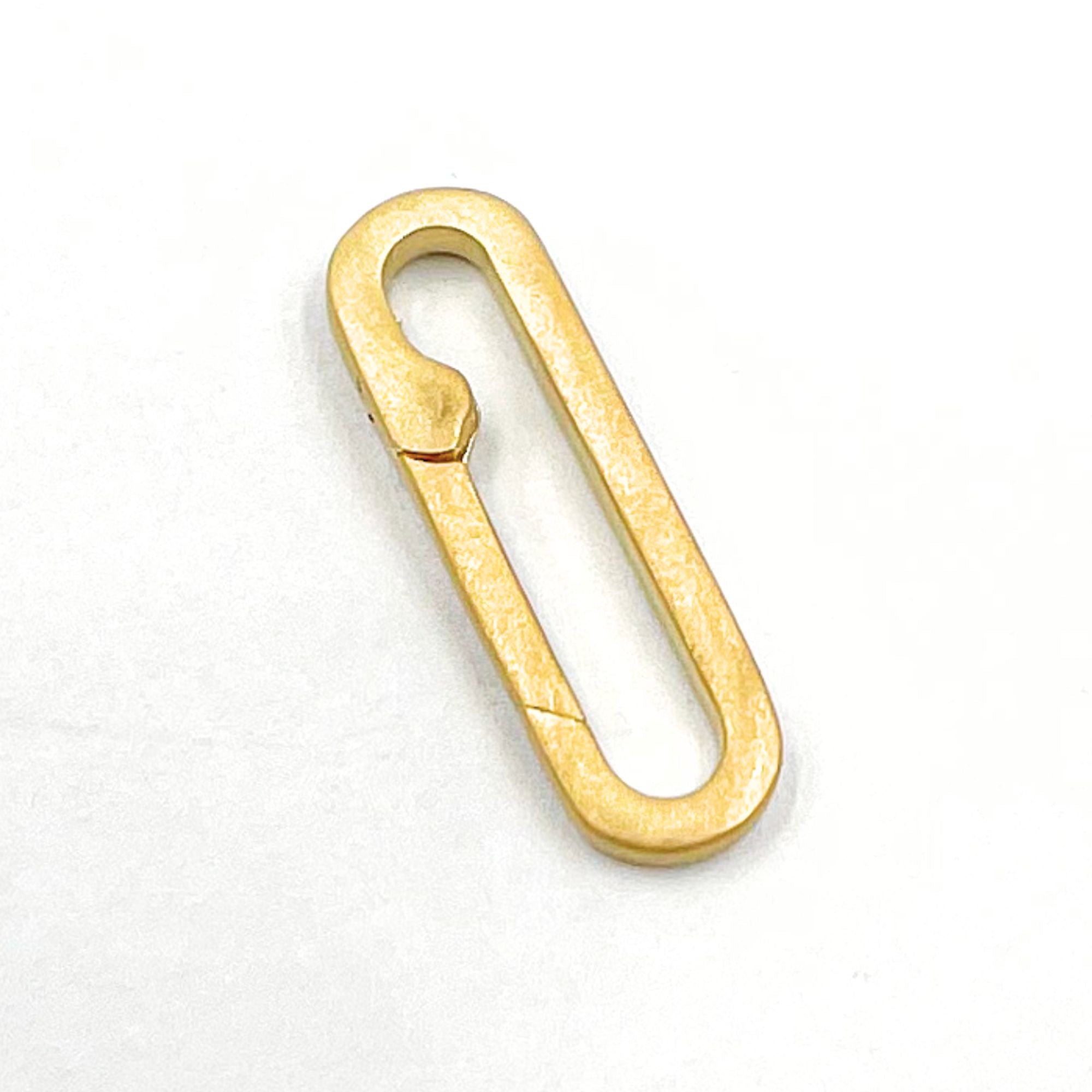
20MM Gold-Plated Matte Sterling Silver Clasp
VIEW PRODUCTLobster Clasp vs Spring Ring Clasp
These two get compared constantly because they look similar and work on the same spring principle, just at different scales.
A spring ring uses a small lever you push inward, which can be fiddly, especially with the tiny versions found on delicate gold chains. Lobster clasps use a lever on the side that you pull back with your thumb, and it's generally easier to operate, especially for anyone with limited hand mobility.
On security, larger lobster clasps usually win because the spring and gate mechanism is more substantial. Spring rings work well on fine chains where a bulkier clasp would look out of place, but the internal spring in smaller ones can weaken with years of daily use.
For a chain you wear every day, a lobster clasp usually holds up better over time. For a delicate 14K chain you wear occasionally, a well-made spring ring is often the better visual and practical match. Neither one is bulletproof. Both need the spring mechanism to stay intact, and both should get checked periodically for looseness.
Box Clasp vs Lobster Clasp
Box clasps slide together and click, giving a flush, finished look that many people prefer for heavier or dressier gold necklaces. Lobster clasps hang slightly and are more visible, but they're faster to fasten without looking in a mirror.
On security, a box clasp with a built-in safety latch is genuinely hard to beat for a heavy or high-value chain. The double-closure design means an accidental opening is far less likely. A basic box clasp without that latch, though, isn't necessarily stronger than a well-made lobster clasp, and can actually be harder to fasten one-handed.
Lobster clasps handle daily on-and-off wear better simply because they're quicker and more forgiving to use. Box clasps shine on necklaces you're not putting on and taking off multiple times a day, or on pieces where appearance and a locking safety feature matter more than speed.
If you're deciding between the two for a heavier gold chain or a valuable pendant, ask what matters more: ease of daily use, or a locking mechanism you rarely have to think about once it's on.
Does a 14K Gold Chain Clasp Make a Chain More Secure?
Gold purity and clasp security aren't the same thing. A 14k gold chain clasp gives you a durable, tarnish-resistant metal that matches the karat of your chain, which matters for wear and color consistency, but karat alone doesn't determine how strong the mechanism is.
What actually affects strength is the thickness of the metal used in the clasp, how well the spring or latch is constructed, and how it's soldered to the jump ring. A thin, poorly made 14K clasp can still bend or fail faster than a well-constructed one in a different metal.
That said, matching your clasp metal to your chain metal has real value. It avoids color mismatch, reduces galvanic corrosion between dissimilar metals over years of wear, and keeps the whole piece consistent if it ever needs resizing or repair. Jewels & Chains carries 14K solid gold clasp options, including solid gold clasps in spring ring, trigger, oval, and round styles, which makes it easier to match a replacement clasp to an existing 14K chain without guessing at plating or fill ratios.
Does Chain Weight Affect Which Clasp You Need?
Yes, and this is one of the most overlooked parts of clasp selection. A clasp needs to be proportional to the chain it's closing, not just decorative.
A fine, lightweight chain typically pairs well with a small spring ring or a slim lobster clasp. Scaling up, a medium everyday chain, like a standard curb or rope style, usually does better with a mid-size lobster or trigger clasp that can handle regular use without stressing a tiny mechanism.
Heavy chains, thick Cuban links, or anything carrying a substantial pendant, need a larger, more robust trigger clasp or a reinforced closure built for that load. This is also where box clasps with safety latches earn their keep, particularly on high-value pieces where a failure would be costly. The general rule: match clasp size and strength to what the chain and pendant weigh, not just to what looks proportionate on the shelf.
What Makes a Gold Chain Clasp Secure?
A few things separate a dependable clasp from one that's a liability, regardless of style:
- A firm spring mechanism that snaps back fully, not sluggishly
- A clasp gate that closes completely with no visible gap
- Correct sizing relative to the chain's weight and link thickness
- A sturdy, fully soldered jump ring connecting clasp to chain
- Clean soldering with no visible cracks or weak seams
- A reasonable clasp-to-chain ratio, not a clasp that looks undersized
- A safety latch or secondary closure on heavier or high-value pieces
- No visible bending, thinning, or metal fatigue from age
None of this works if you look at the clasp in isolation. A great clasp attached to a worn-out jump ring is still a weak link, literally.
Which Clasp Is Best for Everyday Gold Chains?
For a lightweight, thin gold chain worn occasionally, a small spring ring or slim lobster clasp is usually enough. For a medium-weight chain worn daily, a standard lobster or trigger clasp tends to be the best clasp for gold chain use because it balances strength with easy one-handed fastening.
Heavier chains benefit from a larger trigger clasp sized to match the link thickness. Pendant chains need a clasp rated for the combined weight of chain plus pendant, not just the chain alone. Layered necklaces do better with slimmer clasps that don't add bulk or tangle against each other. High-value necklaces, meanwhile, are where a box clasp with a safety catch earns its place, even if it's slightly less convenient day to day.
There's genuinely no single "best" here. It depends on what the chain is doing and how often it's going on and off.
Are Magnetic Clasps Secure Enough for Gold Chains?
Magnetic clasps are convenient. No spring to push, no lever to pull, just bring the two ends close and they pull together. That makes them popular for anyone with limited hand strength or dexterity issues.
The trade-off is holding force. Most magnetic clasps aren't built to resist a firm tug the way a mechanical spring clasp is, which makes them a reasonable fit for lightweight gold chains but a riskier choice for heavier pieces or anything you don't want to lose easily. There's also no visual or tactile confirmation of a full "click" the way there is with a lobster or box clasp, so it can be harder to tell if it's fully engaged.
For everyday light chains, magnetic clasps work fine. For a heavier or high-value gold necklace, a mechanical clasp with an actual locking action is the safer call.
How to Check if Your Gold Chain Clasp Is Still Secure
Clasps wear out gradually, and most people don't notice until something's already loose. Run through this every few months:
- Does the clasp close all the way, with no visible gap at the gate?
- Does the spring lever snap back on its own, or does it feel sluggish?
- Is the jump ring connecting the clasp still fully closed, with no visible seam?
- Any bending, thinning, or discoloration on the clasp body?
- Does the clasp feel loose or wobbly when closed?
- If it has a safety latch, does that latch actually engage?
If you're seeing any of these signs, don't wait. A jeweler can usually replace a worn clasp in minutes, and it's a lot cheaper than replacing a lost chain.
How to Choose the Right Gold Necklace Clasp
Start with the chain itself. Heavier chains and thicker links need a proportionally larger, stronger clasp. Lighter chains can use something more delicate without sacrificing security.
Think about how the necklace actually gets worn. Something you put on and take off daily benefits from a clasp that's fast and easy to operate, like a lobster or trigger style. A piece reserved for special occasions can afford a more decorative or intricate clasp, since it's handled less often.
Factor in the pendant, if there is one. Extra weight hanging off the chain means the clasp needs extra capacity too. And for anything with real monetary or sentimental value, a safety latch is worth the small trade-off in convenience.
Among gold necklace clasp types, budget also plays a role. A well-made spring ring or trigger clasp in solid gold or gold filled construction covers most everyday needs without overspending on features you won't use.
Frequently Asked Questions About Gold Chain Clasps
What are the different types of gold chain clasps?
The main styles are lobster (trigger) clasps, spring ring clasps, box clasps, toggle clasps, screw or barrel clasps, hook-and-eye clasps, and magnetic clasps. Each suits different chain weights, wear patterns, and appearance preferences, so the right choice depends on the specific necklace.
What is the most secure gold chain clasp?
There's no single winner for every situation, but a properly sized lobster or trigger clasp handles daily wear well, and a box clasp with a safety latch offers strong protection for heavier or higher-value pieces. Construction quality matters as much as the style itself.
What is the best clasp for a gold chain?
For most everyday gold chains, a mid-size lobster or trigger clasp balances strength and ease of use. Delicate chains often do better with a smaller spring ring, while heavier necklaces benefit from a larger, reinforced clasp.
Are lobster clasps secure for gold chains?
Yes, when properly sized. Lobster clasps use a sturdy spring-loaded gate that holds up well to daily fastening and unfastening, and larger versions scale up nicely for heavier chains and pendants.
Are spring ring clasps good for gold chains?
They work well on fine, delicate gold chains where a bulkier clasp would look out of place. The internal spring is smaller than a lobster clasp's, though, so it can wear faster with heavy daily use.
Are box clasps more secure than lobster clasps?
It depends on the box clasp. One with a folding safety latch is often more secure for heavier or valuable pieces because of the double-closure design. A basic box clasp without that feature isn't automatically stronger than a well-made lobster clasp.
What clasp is best for a heavy gold chain?
A larger, reinforced lobster or trigger clasp sized to match the chain's link thickness usually works well. For high-value heavy pieces, a box clasp with a safety latch adds an extra layer of protection.
Are magnetic clasps secure enough for gold necklaces?
They're a reasonable fit for lightweight chains where convenience matters more than maximum holding strength. For heavier or high-value gold necklaces, a mechanical clasp with a locking action is generally the safer option.
Does 14K gold make a clasp stronger?
Not on its own. Karat purity affects color and tarnish resistance, not mechanical strength. A clasp's real strength comes from its thickness, construction quality, and how well it's soldered to the connecting jump ring.
How do I know if my necklace clasp is secure?
Check that it closes completely, that the spring snaps back firmly, and that the connecting jump ring shows no gaps. Any looseness, bending, or a safety latch that won't engage means it's time for a jeweler to take a look.
What size clasp should a gold chain have?
The clasp should be proportional to the chain's weight and link thickness. Fine chains suit smaller spring rings or slim lobster clasps, while heavier chains and pendants need a larger, sturdier clasp to match.
How often should a gold chain clasp be checked?
A quick visual and functional check every few months is enough for most people, more often if the necklace gets worn daily. Catching a worn spring or loose jump ring early is a lot cheaper than losing the chain.