


Handmade vs Machine-Made Jewelry: Real Differences, Quality & Value
Handmade vs Machine-Made Jewelry: Real Differences, Quality & Value
When people buy jewelry, they are rarely just buying metal or stones. Most of the time, they are buying a feeling. It might be confidence, sentiment, celebration or sometimes a quiet reminder of someone they love. That’s why the way jewelry is made actually matters far more than most people realize.
At some point, almost every buyer comes across the question of handmade jewelry vs machine made jewelry. Online listings look similar. Photos shine the same way. Prices, however, don’t and neither does the experience after you actually wear the piece.
This is where confusion starts.
Is handmade jewelry really better or is that just marketing?
Is machine-made jewelry lower quality or simply more practical?
And what is the real difference once the jewelry leaves the box and becomes part of daily life?
This guide breaks down the difference between handmade and machine made jewelry in a way that feels honest, practical and easy to understand without exaggeration or hype.
What Is Handmade Jewelry?
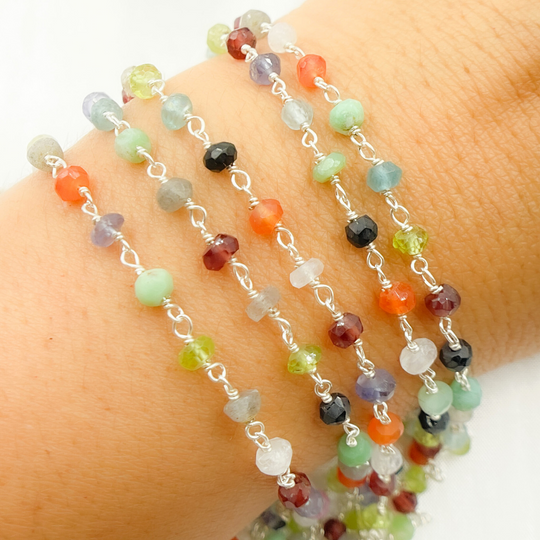

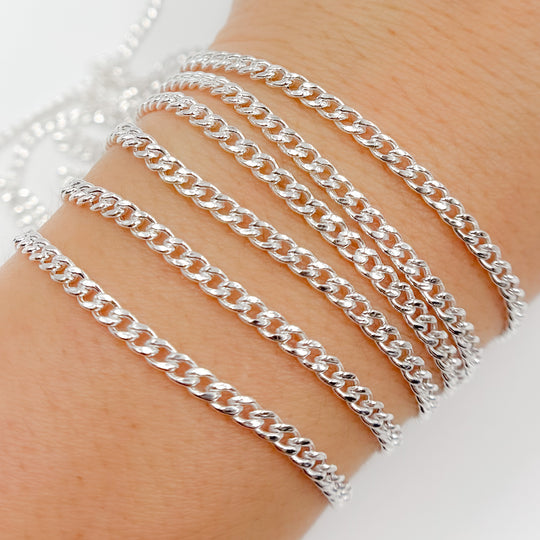

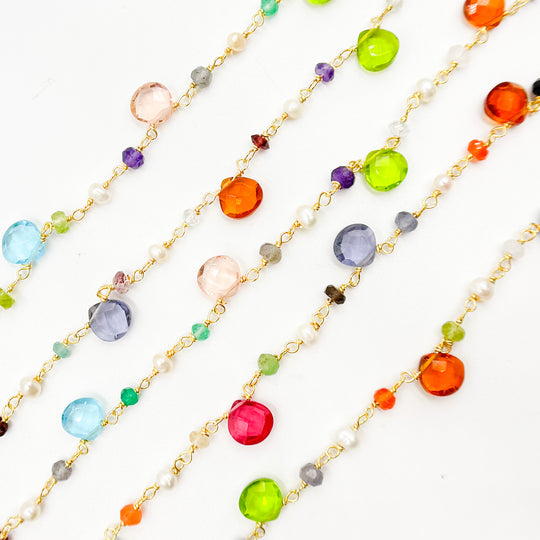
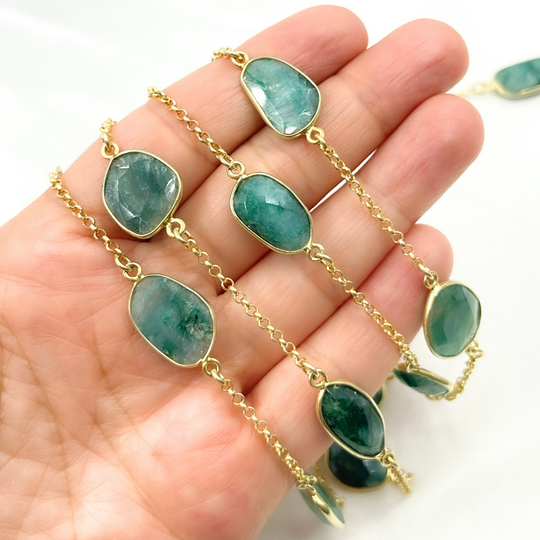
Before comparing anything, let’s slow down and answer a basic question: what is handmade jewelry, really?
Definition and Craftsmanship
Handmade jewelry is created primarily by human hands. Not just “designed by a person,” but physically shaped, adjusted and finished by an artisan. Tools may be involved, but decisions are made in real time by eye, by touch and by experience.
The true handmade jewelry meaning lies in that human judgment. An artisan knows when a curve looks right, when a setting feels secure or when a piece needs one more adjustment before it’s finished. Machines follow instructions. Humans make choices.
This is the core handmade jewelry difference that you can often feel even if you can’t immediately explain it.
Materials Used
Most handmade jewelry is built around materials chosen intentionally, not just conveniently. Artisans often prefer working with:
- Solid gold or sterling silver
- Natural gemstones with unique cuts and inclusions
- Semi-precious stones and beads
- Raw or minimally processed elements
Because handmade pieces are not rushed through mass production, material quality matters more. This focus plays a huge role in overall handmade jewelry quality, especially over time.
Benefits of Handmade Jewelry
There are many handmade jewelry benefits, but the biggest ones usually show up after you’ve worn the piece for a while.
- Every piece feels personal – even when it’s not custom-made
- No two items are exactly alike
- Designs age well instead of feeling disposable
- Stronger emotional connection – especially for gifts
- Better long-term wear due to thoughtful construction
Handmade jewelry is often chosen for milestones: weddings, anniversaries, meaningful gifts or pieces meant to last for years.
Price & Value Considerations
Let’s address the honest concern: handmade jewelry price. Yes, handmade jewelry usually costs more. Not because it’s “luxury for the sake of luxury,” but because time, skill and attention cannot be automated. One artisan can only create so many pieces in a day.
But here’s where people often misunderstand things. Price is what you pay. Handmade jewelry value is what stays with you. A well-made handmade piece doesn’t lose relevance after one season. It becomes familiar. Comfortable. Part of you.
What Is Machine-Made Jewelry?


To fairly compare handmade vs machine made jewelry, we need to understand the machine-made side without bias.
Definition and Manufacturing Process
Machine-made jewelry is produced using automated or semi-automated processes. Once a design is finalized, machines reproduce it repeatedly with very little variation. This allows manufacturers to create thousands of identical pieces quickly.
This method isn’t wrong it simply serves a different purpose. Machine-made jewelry focuses on efficiency, speed and affordability.
Materials Used
Because machine-made jewelry is designed for scale, materials are chosen to work smoothly with automated systems. These often include:
- Metal alloys instead of solid precious metals
- Lab-created or synthetic stones
- Plated finishes rather than solid metal
Some machine-made jewelry is well constructed, but in many cases, durability is secondary to cost control.
Pros of Machine-Made Jewelry
There are valid reasons people buy machine made jewelry, especially for everyday wear.
- Lower prices make it accessible
- Consistent appearance across all pieces
- Easy availability online and in stores
- Perfect for trends that change quickly
If you like switching styles often or need jewelry for occasional use, machine-made options make sense.
Cons of Machine-Made Jewelry
That said, machine-made jewelry has clear limitations:
- Designs feel less personal
- Repairs are often difficult or not worth it
- Shorter lifespan for many pieces
- Less emotional or artistic value
These points become obvious when people compare the long-term experience, not just the first impression.
Handmade vs Machine-Made Jewelry: Key Differences
Quality & Durability
In the handmade jewelry vs machine made jewelry comparison, quality is not about shine it’s about structure.
Handmade jewelry is often reinforced in small ways that machines ignore. Clasps feel stronger. Edges feel smoother. Settings feel more secure. These things matter after months and years of wear.
Machine-made jewelry can look perfect at first, but durability depends heavily on materials and production standards.
Price & Value
Machine-made jewelry wins on price. There’s no denying that. But handmade jewelry often wins on value. When you look at how long a piece lasts, how often it’s worn and how it feels over time, the cost starts to make sense.
Design Uniqueness
This is one of the clearest handmade jewelry difference points. Handmade pieces carry subtle variations that make them feel alive. Machine-made jewelry is identical by design. Some people prefer that consistency. Others find it impersonal.
Craftsmanship & Artistry
This is where the handcrafted jewelry vs machine made discussion becomes less technical and more emotional. Handmade jewelry reflects taste, experience and creative judgment. Machine-made jewelry reflects precision and repetition. Neither is wrong but they are very different experiences.
Maintenance & Longevity
Handmade jewelry is usually easier to repair and maintain. Machine-made jewelry is often replaced rather than fixed. Over time, this affects both cost and sustainability.
Handmade vs Machine-Made Jewelry: Side-by-Side Comparison
You know, sometimes seeing the differences side by side makes it crystal clear. Here’s a breakdown that most people find super helpful when deciding between handmade jewelry vs machine made jewelry:
|
Feature |
Handmade Jewelry |
Machine-Made Jewelry |
|
Production |
Crafted by artisans, each piece slightly unique |
Produced by machines, identical pieces |
|
Quality |
High attention to detail, built to last |
Depends on materials; often less durable |
|
Design |
Unique, artistic, personal |
Standardized, trend-focused |
|
Price |
Higher upfront, reflects skill & time |
Lower, cost-effective |
|
Emotional Value |
Strong, meaningful, personal |
Limited, mostly functional or fashionable |
|
Maintenance |
Easier to repair and maintain |
Often replaced instead of repaired |
Pros and Cons of Handmade Jewelry
I’ve seen people fall in love with handmade jewelry the moment they pick it up. There’s something about the small irregularities and texture that just feels… alive.
Pros:
- Each piece is one of a kind
- Strong, lasting craftsmanship
- Emotional and sentimental value
- Can often be customized
- Built to age gracefully with care
Cons:
- Higher price due to labor and skill
- Availability can be limited; sometimes you have to wait
- Not ideal if you need multiples of the same exact design
Honestly, paying that little extra for a handmade piece is often worth it. It’s not just jewelry it’s a story you carry.
Pros and Cons of Machine-Made Jewelry
Machine-made jewelry serves a completely different purpose. It’s about convenience, affordability and style that keeps up with trends.
Pros:
- Affordable and accessible
- Consistent design and quality
- Widely available in stores and online
- Perfect for casual wear or fast fashion
Cons:
- Lacks individuality
- Shorter lifespan in many cases
- Less emotional or artistic connection
- Repairs are often tricky; replacing is easier
Think of it like this: machine-made jewelry is practical, but it rarely becomes a piece you treasure for years.
Which Should You Actually Choose?
- If you value craftsmanship, uniqueness and pieces that last, go for handmade jewelry. These are often heirloom-quality and make fantastic gifts.
- If your priority is affordability, trendiness or having a lot of options, machine-made jewelry works perfectly.
Many jewelry lovers do a mix: invest in a few special handmade pieces and fill the rest of their collection with machine-made everyday wear. That’s what smart shopping looks like.
Personally, if I’m picking a gift for a loved one, I’ll almost always lean handmade it tells a story that a machine-made piece can’t.
How to Spot Handmade vs Machine-Made Jewelry
This is something people often struggle with. Here’s how to tell the difference without feeling like a pro:
-
Check for tiny imperfections: Handmade pieces will never be exactly identical. That little variation is a signature of real craftsmanship.
-
Look at the finishing: Are the edges smooth? Are the stones set securely? Artisans focus on small details that machines might miss.
-
Ask about the process: Genuine handmade jewelry sellers love explaining how it was made.
-
Observe tool marks: Subtle marks from hand tools aren’t flaws they’re proof it was crafted by a person.
-
Price & feel: If it feels too cheap for something that looks complex, it’s probably machine-made. Quality costs a bit more.
Once you start noticing these signs, identifying handmade jewelry becomes surprisingly easy.
Final Thoughts
Here’s the bottom line: handmade jewelry vs machine made jewelry isn’t just about production. It’s about experience, emotion and long-term value.
Handmade jewelry carries a story, a personal touch and longevity that machines can’t replicate. Machine-made jewelry offers convenience, affordability and uniform style perfect for everyday fashion.
A smart approach? Buy one or two special handmade pieces, like something from Jewels & Chains and supplement with machine-made jewelry for casual or seasonal wear. That way, you get the best of both worlds emotional value and practical style.
At the end of the day, jewelry is about how it makes you feel. Choose what feels right to you. That’s the real difference.
FAQs
1. What is handmade jewelry?
Handmade jewelry is created primarily by human hands. Each piece is slightly unique, with craftsmanship and attention to detail.
2. What is machine-made jewelry?
Machine-made jewelry is produced using automated processes, making identical pieces in large quantities.
3. Is handmade jewelry better than machine-made jewelry?
It depends on what matters to you. Handmade jewelry offers craftsmanship, uniqueness and longevity. Machine-made jewelry is affordable and convenient.
4. Why is handmade jewelry more expensive?
Price reflects labor, skill and materials. Each piece is carefully crafted and built to last.
5. Does handmade jewelry last longer?
Yes. Handmade jewelry, when made well, often lasts for decades and can even be repaired if needed.
6. How can I identify handmade jewelry?
Look for subtle variations, fine finishing, slight tool marks and ask the seller about the making process. Genuine handmade pieces have a personal touch.