


What Is the Best Chain Thickness for Everyday Wear?
If you're buying a chain for regular use, 2mm to 3mm is a good place to start for many people. It offers enough visibility for everyday outfits without automatically giving you a chunky look.
That said, the best chain thickness depends on what you're wearing, whether you plan to add a pendant, how you like your jewelry to look, and how the chain is constructed.
Here's the quick version:
|
If you want... |
A good starting point |
|
Very delicate necklace |
1mm to 1.5mm |
|
Small everyday pendant |
1.5mm to 2mm |
|
One versatile everyday chain |
2mm to 3mm |
|
Noticeable standalone chain |
3mm to 4mm |
|
Bold or statement chain |
4mm to 5mm+ |
|
Layered necklace |
1mm to 2mm + 2mm to 3mm |
These ranges are about appearance and styling, not guaranteed strength.
A 2mm chain isn't automatically stronger than every 1mm chain. Construction, material, link geometry, manufacturing, clasp design, and the way the chain is used can make a major difference.
So, before you choose a number, it helps to understand what that number actually tells you.

14k Solid Gold Satellite Bars Chain
VIEW PRODUCT
14K Solid Yellow Gold Curb Link Chain
VIEW PRODUCT
14k Solid Gold Curb & Diamond Cut Marina Link Chain
VIEW PRODUCT
14k Solid Gold Singapore Chain & Diamond Cut Oval Link Chain
VIEW PRODUCTWhat Does Chain Thickness Mean?
Chain thickness generally refers to the visible width of the chain, measured in millimeters.
A 1mm chain looks fine and delicate. A 3mm chain has more presence. A 5mm chain is much harder to overlook.
But width is only one measurement.
It doesn't tell you exactly how much the chain weighs. It also doesn't provide a complete picture of its durability.
A chain's construction can include different link shapes, wire dimensions, connection methods, and manufacturing techniques. Some designs are hollow, while others are solid. The clasp and connecting points matter as well.
This is why two chains with a similar listed width can have noticeably different characteristics.
Think of the millimeter measurement as a way to understand scale.
Then look at the actual construction.
Chain Thickness Guide: 1mm to 5mm+
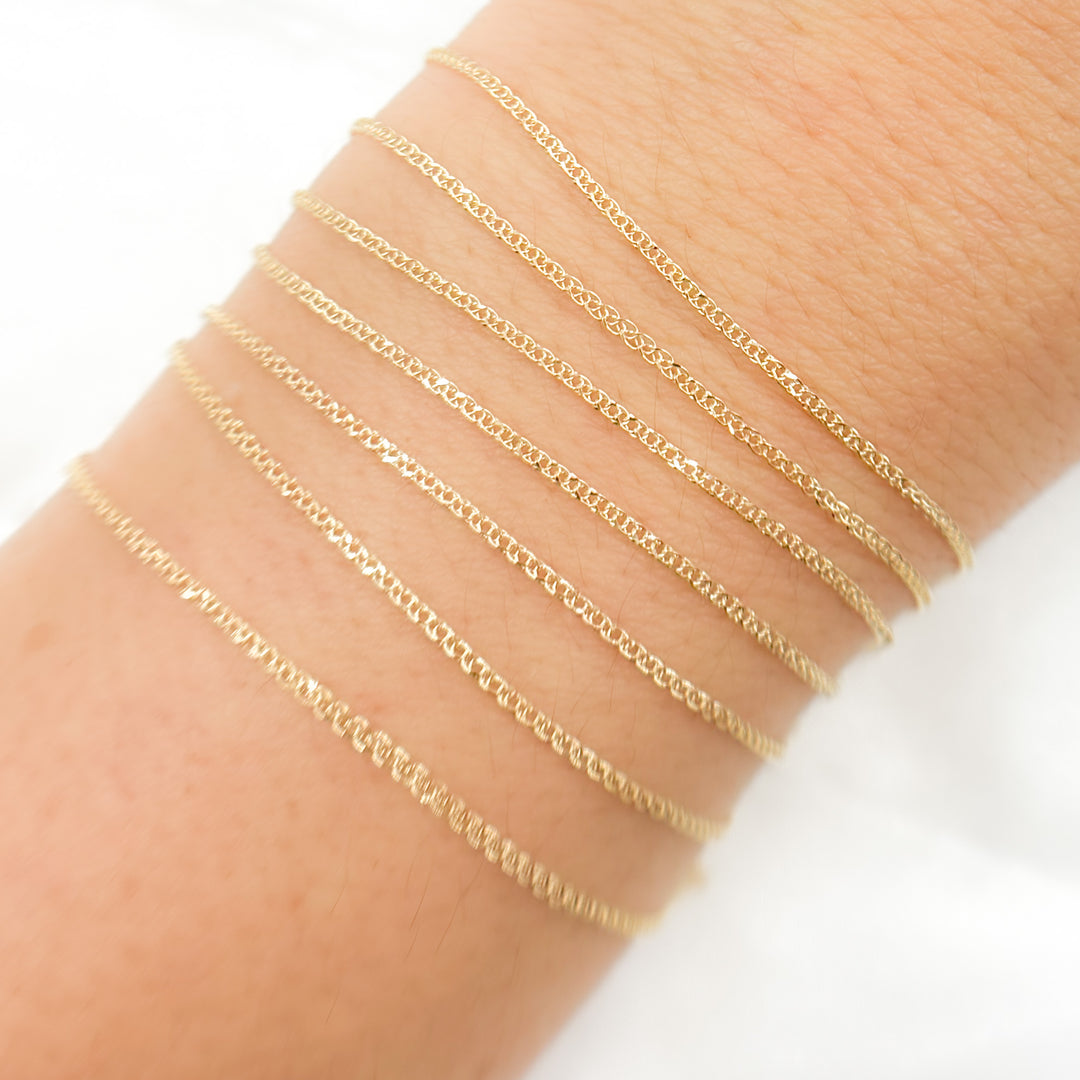
1mm to 1.5mm: Fine and Delicate
This is the range to consider if you prefer a necklace that stays subtle.
A fine chain can work especially well with a small pendant, a simple outfit, or a layered necklace where you don't want every piece competing for attention.
It's also a natural fit for minimalist office jewelry.
The tradeoff is visual. A very fine chain doesn't have much presence, so it can disappear against certain clothing or look out of proportion beside a large pendant.
If you like delicate jewelry, though, that's often exactly what you want.
2mm to 3mm: The Versatile Everyday Range
This is where many shoppers will find the most flexibility.
A 2mm chain can look neat and understated, while a 3mm chain has noticeably more presence. The middle of this range works with many casual and dressier outfits.
It's also useful for pendant necklaces, provided the chain's construction is suitable for the pendant.
For someone buying one everyday necklace and unsure where to start, 2mm to 3mm is usually the most practical range to consider first.
Not because it is universally better.
Simply because it sits between very delicate and distinctly bold styling.
4mm to 5mm+: Bold and Statement-Focused
Once you move into 4mm and above, the chain itself becomes a larger part of the outfit.
This can be a great choice if you like chunky jewelry, wear your chain alone, or want a necklace that is easy to see from a distance.
A wider chain can also make sense with a larger pendant when the construction is appropriate.
For layering, however, this range needs more thought. Several wide chains together can make the neckline look crowded very quickly.
If you want a bold standalone necklace, that's less of an issue.
Is 1mm to 1.5mm Good for Everyday Wear?
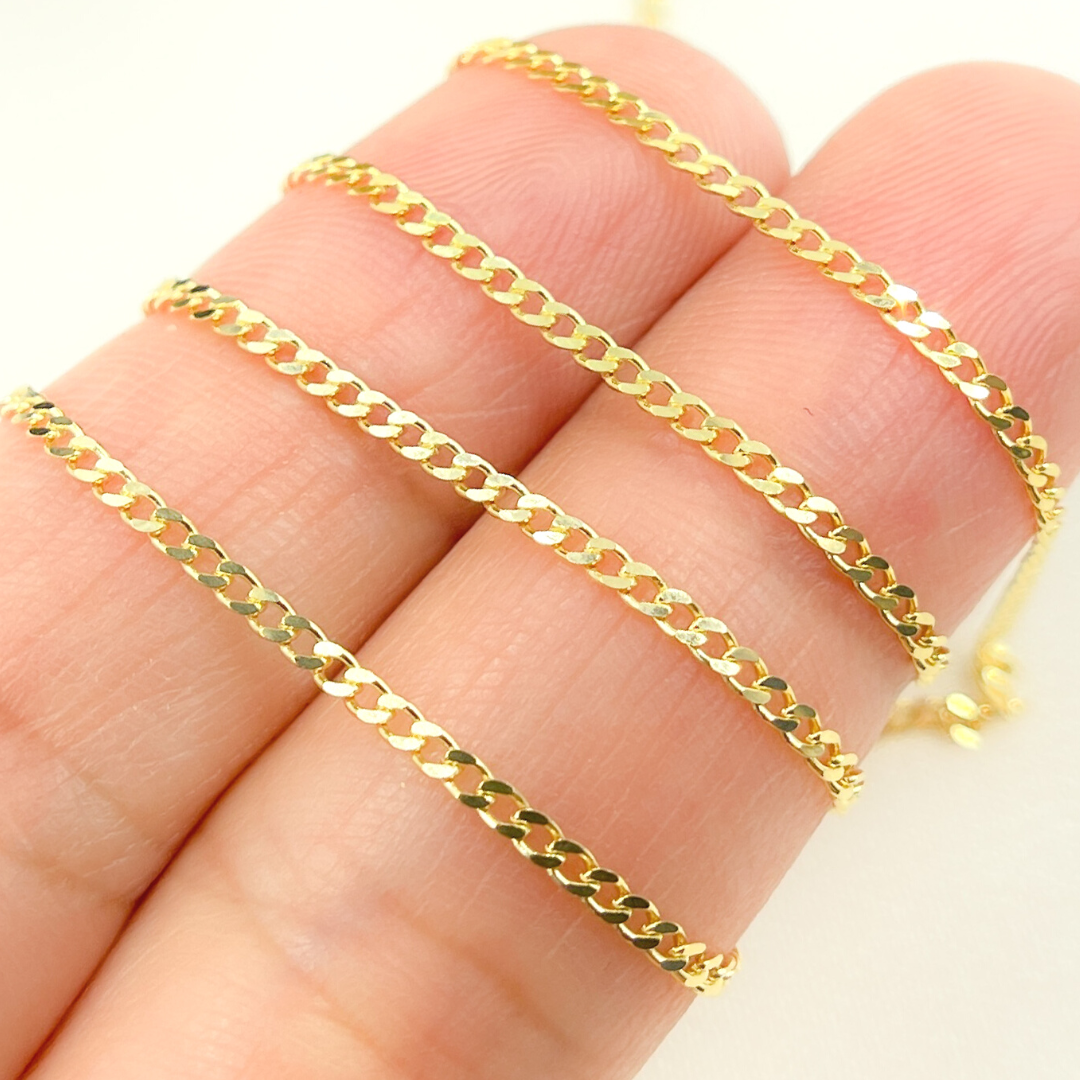
It can be.
A fine chain isn't automatically unsuitable for daily wear. The important question is how it will be used and how it's made.
A 1mm or 1.5mm chain can suit someone who:
- Likes minimalist jewelry
- Wears small pendants
- Prefers subtle necklaces
- Wants a delicate first layer
- Dresses in a simple or professional style
It can also be a good option when you don't want the chain to compete with earrings, bracelets, or other accessories.
There is one thing to keep in mind.
Very fine chains may require more careful handling, particularly if your daily routine involves frequent snagging on clothing, bags, hair, or other objects. That doesn't mean every fine chain is fragile. The actual construction matters.
If you're choosing between 1mm and 1.5mm, consider whether you want the finest possible appearance or just a delicate look with slightly more visible presence.
Is 2mm to 3mm Good for Everyday Wear?
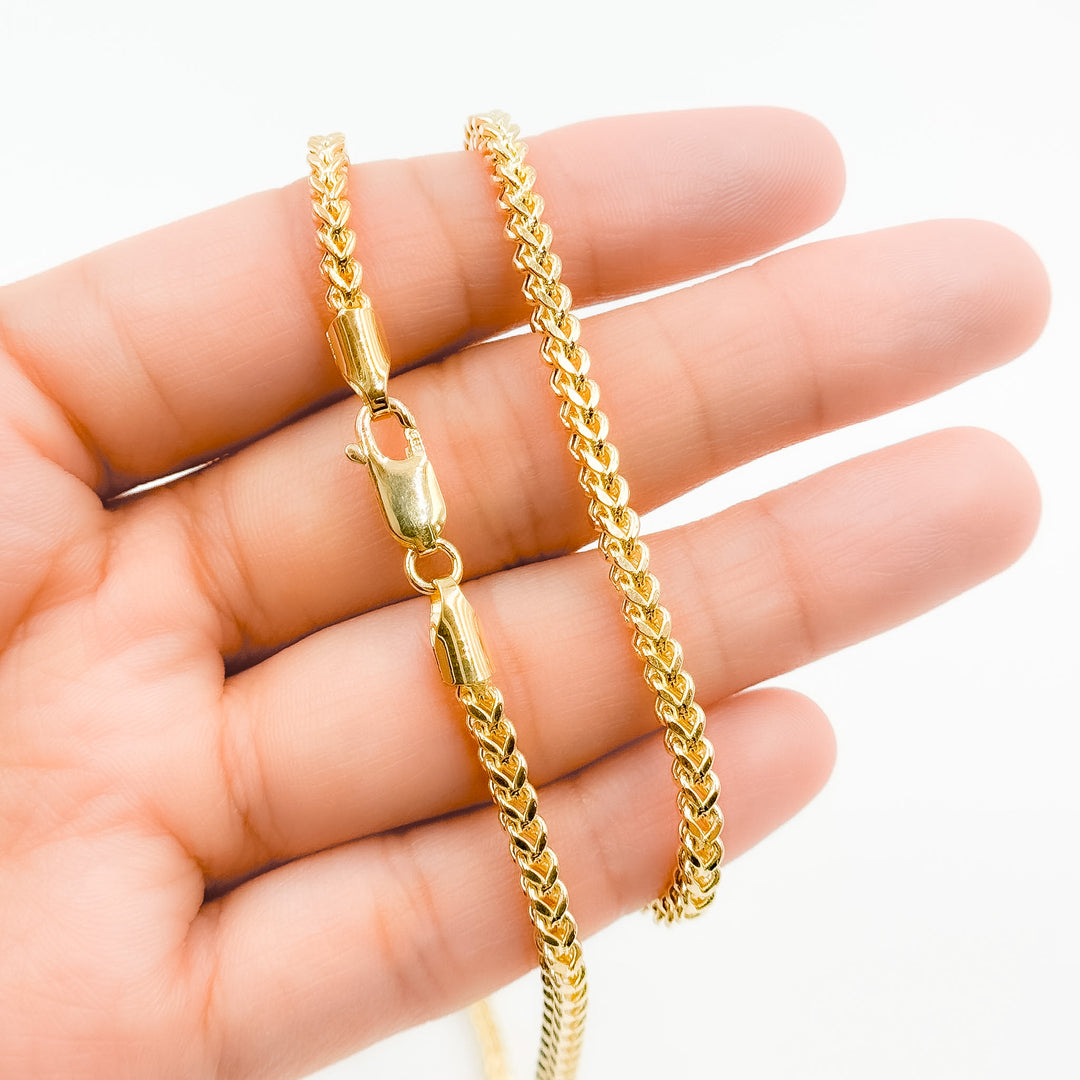
For many people, yes.
This range is often the easiest starting point when you want a chain that can do more than one job.
You might wear it with a T-shirt on Saturday, with business-casual clothing on Monday, and with a small pendant later in the week.
A 2mm chain usually has a relatively understated appearance. Move toward 3mm and the necklace becomes more noticeable.
The chain style changes this too.
A 2mm cable chain won't necessarily look like a 2mm curb chain. A rope chain can catch light differently, while a box chain may have a more structured appearance.
So when shopping, don't stop at the number.
Look at the actual chain.
What About 2.5mm?
A 2.5mm chain can be useful if you want something between a 2mm and 3mm appearance.
It's a small difference on paper, but it can help if you feel that 2mm is slightly too fine and 3mm is slightly too bold.
For an everyday necklace, this can be a comfortable middle option.
Is 4mm to 5mm Too Thick for Everyday Wear?
Not at all.
A 4mm or 5mm chain can be worn every day. It simply creates a stronger look.
These widths can suit people who prefer:
- Bold casual jewelry
- Standalone chains
- Chunkier necklace styles
- Larger pendants
- One noticeable necklace instead of several fine pieces
The main consideration is proportion.
A wide chain with a tiny pendant can look mismatched. A wide chain paired with a substantial pendant may look much more balanced.
The same applies to clothing.
A 5mm chain can stand out nicely against a plain T-shirt. Put it with several other bold necklaces and the result may become visually busy.
There is no rule saying thick chains are only for special occasions.
If that is your style, wear one every day.
How Does Chain Thickness Affect Durability?
This is where shoppers need to be careful.
Width is primarily a visual dimension. It isn't a complete measure of strength.
A chain's strength can depend on the thickness of its actual material, link geometry, metal or alloy, manufacturing method, connection points, clasp, and whether the construction is hollow or solid.
Even the way links are joined can matter.
For example, a chain made from relatively substantial material can have different characteristics from a chain that appears similar in width but uses a different construction.
Usage matters too.
A necklace worn quietly under a shirt isn't exposed to the same situations as one worn while changing clothes, carrying a backpack, exercising, or sleeping.
The pendant adds another factor.
A chain worn without a pendant has a different job from one supporting a heavier decorative piece.
So, don't use this rule:
Thicker = stronger.
It's too simple.
A better approach is to look at width and construction together.
What Chain Thickness Is Best for a Pendant?
The pendant should influence the chain you choose.
For a small, lightweight pendant, a fine or medium chain can create a balanced look. A larger pendant usually benefits from a chain with enough visual presence to keep the proportions comfortable.
But there's no universal formula that says a particular pendant weight requires an exact chain width.
The chain's construction matters too.
Before buying, consider:
- Pendant weight
- Pendant size
- Bail size
- Chain width
- Chain construction
- Link design
- Material
- Clasp
- Connection points
A tiny pendant hanging from a very wide chain may look lost.
The opposite can happen too. A large pendant on an extremely fine chain may look unbalanced and may not be appropriate for the particular chain construction.
When the pendant is the main feature, the chain should support it without visually disappearing.
Does Chain Style Change the Ideal Thickness?
Yes.
This is one of the easiest details to miss when comparing necklaces online.
A millimeter measurement doesn't look identical across every chain style.
Cable Chains
A cable chain has a simple linked appearance. Fine widths can look delicate, while medium widths provide a balanced everyday profile.
Box Chains
Box chains have a more structured, geometric appearance. They can work particularly well when you want a neat-looking chain with a pendant.
Curb Chains
Curb chains have interlocking links that sit closely together. Even a moderate width can look more substantial because of the way the links are arranged.
Rope Chains
The twisted structure of a rope chain creates additional surface detail and light reflection. This can make the chain appear more noticeable than its measurement alone suggests.
Paperclip Chains
Long, open links can create a large visual footprint. A paperclip chain may therefore look bold even without reaching the widest measurements.
Herringbone Chains
Herringbone chains sit relatively flat against the skin. Their broad surface can create a substantial appearance without needing the same round profile as other chains.
The takeaway is simple.
Compare the chain's actual design, not just its width.
Chain Thickness vs. Chain Weight: Are They the Same?
No.
A chain's width and weight describe different things.
Weight can change depending on:
- Chain length
- Metal density
- Amount of material used
- Solid or hollow construction
- Link geometry
- Material thickness
- Overall design
Imagine two chains with the same listed width.
If one is longer, uses more material, or has a different construction, the final weight can be different.
That's why a shopper shouldn't assume that a wider chain is automatically heavier than every narrower chain.
If weight is listed on the product page, use it as another comparison point.
Width helps you judge how the chain will look.
Weight tells you something different about the physical piece.
Does Chain Length Change How Thickness Looks?
Yes, but thickness should remain your main consideration here.
A fine 16-inch chain can look quite different from a fine 20-inch chain because the necklace sits in a different place on the body.
A shorter, wider chain can look concentrated and bold.
A longer medium-width chain can feel more relaxed, especially when paired with a pendant.
The two measurements work together.
If you already know that you want a delicate necklace, choose the width first. Then consider which length gives you the placement you want.
Don't choose a chain solely because the length sounds right.
What Chain Thickness Is Best for Layering?
Layering gives you more freedom than wearing a single necklace.
You don't need every chain to have the same width.
In fact, mixing widths can make the layers easier to see.
A fine 1mm or 1.5mm chain can act as the lightest piece. A 2mm or 2.5mm chain can add some middle weight, while a 3mm chain can become the more noticeable layer.
You can also mix textures.
For example, a smooth chain next to a textured chain creates separation without needing a huge difference in width.
One mistake is using several thick chains together.
If every necklace is 4mm or 5mm, the layers may blend into one heavy-looking area around the neckline.
For most layered looks, thinner chains give you more flexibility.
Does Chain Thickness Differ for Men and Women?
Not in any strict sense.
There are common styling preferences, but they aren't rules.
A 1.5mm chain can look great on a man who prefers understated jewelry. A woman may prefer a 5mm chain because she likes a stronger statement.
Gender isn't a useful substitute for personal style.
Instead, consider:
- Desired visual weight
- Pendant size
- Chain style
- Solo or layered wear
- Clothing
- Neckline
- Personal preference
For a more subtle men's necklace, 2mm to 3mm can work well.
For a stronger standalone look, 3mm to 5mm or wider may be more appropriate.
Women have the same range of options.
The difference is really about the look you're trying to create.
Gold Chain Thickness vs. Silver Chain Thickness
Changing the metal can change how a chain looks, even when the measurement stays the same.
Gold has a warm tone and can catch attention differently from silver. Surface finish also matters. A highly polished chain reflects more light than a less reflective finish.
The shape of the links makes a difference too.
A flat chain and a rounded chain with similar measurements can have completely different visual impact.
Don't assume that gold is automatically stronger than silver at the same width. The material, alloy, construction, and manufacturing details all matter.
If you're comparing gold chain thickness with silver chain thickness, judge the complete piece.
The millimeter number is only one part of the decision.
How to Choose the Right Chain Thickness
Still unsure?
Start with the job you want the necklace to do.
Choose 1mm to 1.5mm if you want:
- A delicate necklace
- Minimalist styling
- A fine first layer
- A small pendant
- Subtle office jewelry
Choose 2mm to 3mm if you want:
- One versatile everyday chain
- Moderate visibility
- A chain that works alone
- A suitable pendant chain
- A flexible option for casual and office outfits
Choose 4mm to 5mm+ if you want:
- A bold standalone necklace
- Chunkier styling
- A stronger visual presence
- A larger pendant
- The chain itself to be a major part of the outfit
Before purchasing, check the product specifications too.
Look for:
- Width
- Length
- Material
- Construction
- Weight
- Clasp type
- Pendant weight, if applicable
- Care requirements
Those details can tell you far more than the width alone.
Common Mistakes When Choosing Chain Thickness
Assuming thicker always means stronger
A wider chain may have more material in some constructions, but width alone doesn't guarantee durability.
Picking a chain only from the photo
Photos don't always give you a reliable sense of scale. Check the listed measurements.
Ignoring the pendant
The chain should make sense with the size and weight of the pendant.
Treating every 2mm chain as identical
Different link designs can create very different looks and physical characteristics.
Using too many wide chains for layering
Several thick chains can quickly make the neckline look crowded.
Pairing a tiny pendant with a very wide chain
The pendant can disappear visually.
Pairing a heavy pendant with an extremely fine chain
The proportions may be off, and the particular construction may not be suitable.
Confusing width with weight
A chain's millimeter measurement doesn't tell you its complete weight.
Ignoring the clasp
The clasp and connection points are part of the finished necklace. They shouldn't be overlooked.
Choosing only according to gender
Your preferred style is a better indicator than whether a chain is marketed toward men or women.
A Simple Buying Rule for Your First Everyday Chain
If this is your first everyday necklace and you don't have a strong preference yet, start around 2mm to 3mm.
It's a useful middle ground.
You can wear a chain in this range on its own, pair it with an appropriate pendant, or work it into a simple layered look.
If you already know you love delicate jewelry, go finer.
If chunky chains are more your style, go wider.
And if you're buying for a pendant, start with the pendant's size and weight before settling on the chain.
The goal isn't to find the biggest chain you can wear or the thinnest one you can buy.
It's to find the combination that looks right and suits the way you'll actually use it.
Final Answer: What Is the Best Chain Thickness for Everyday Wear?
For most shoppers who want a versatile everyday necklace, 2mm to 3mm is a practical starting range.
It provides enough visual presence for regular outfits without automatically creating a statement look.
Choose 1mm to 1.5mm if you want something delicate, minimalist, or easy to layer.
Choose 3mm to 4mm when you want more visibility from a standalone necklace.
Go toward 4mm to 5mm or wider if bold, chunky jewelry fits your style.
For pendant necklaces, don't make the decision from width alone. Pendant weight, bail size, chain construction, clasp, material, and connection points all deserve attention.
Most importantly, remember that chain thickness is a styling measurement, not a complete durability rating.
If you keep that distinction in mind, choosing the right everyday chain becomes much easier.