


Birthstone for September: Sapphire Meaning & Color
Birthstone for the Month of September
The birth stone for the month of September is sapphire. It has held that spot on both the older traditional gemstone lists and the modern birthstone list published in 1912, so there's no real dispute here the way there is for some other months.
Sapphire belongs to the corundum mineral family, the same family that produces ruby. Most people picture a deep blue stone, and blue is by far the most recognized september birthstone color, but sapphire actually occurs in nearly every color except red.
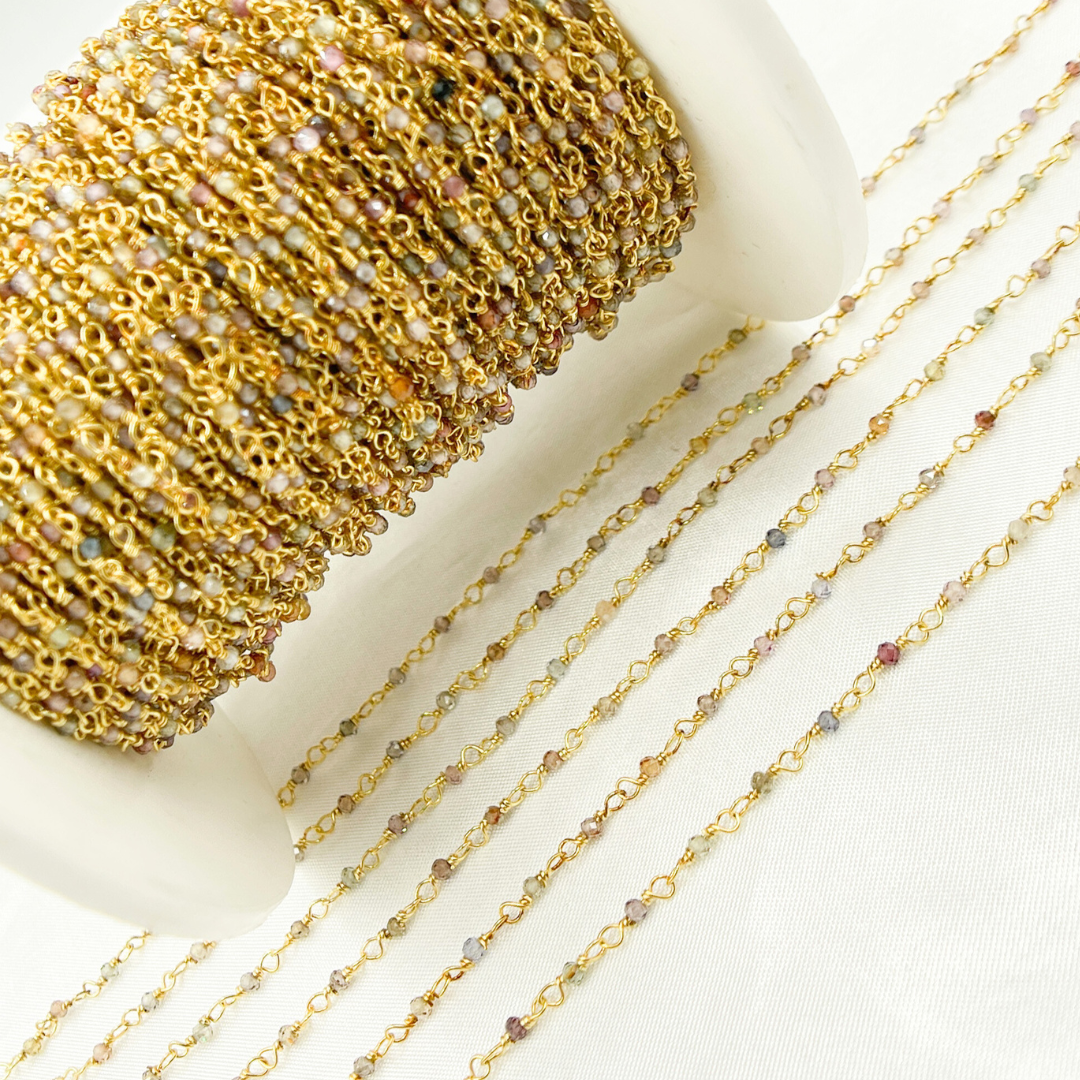
Tunduru Sapphire Wire Wrap Chain
VIEW PRODUCT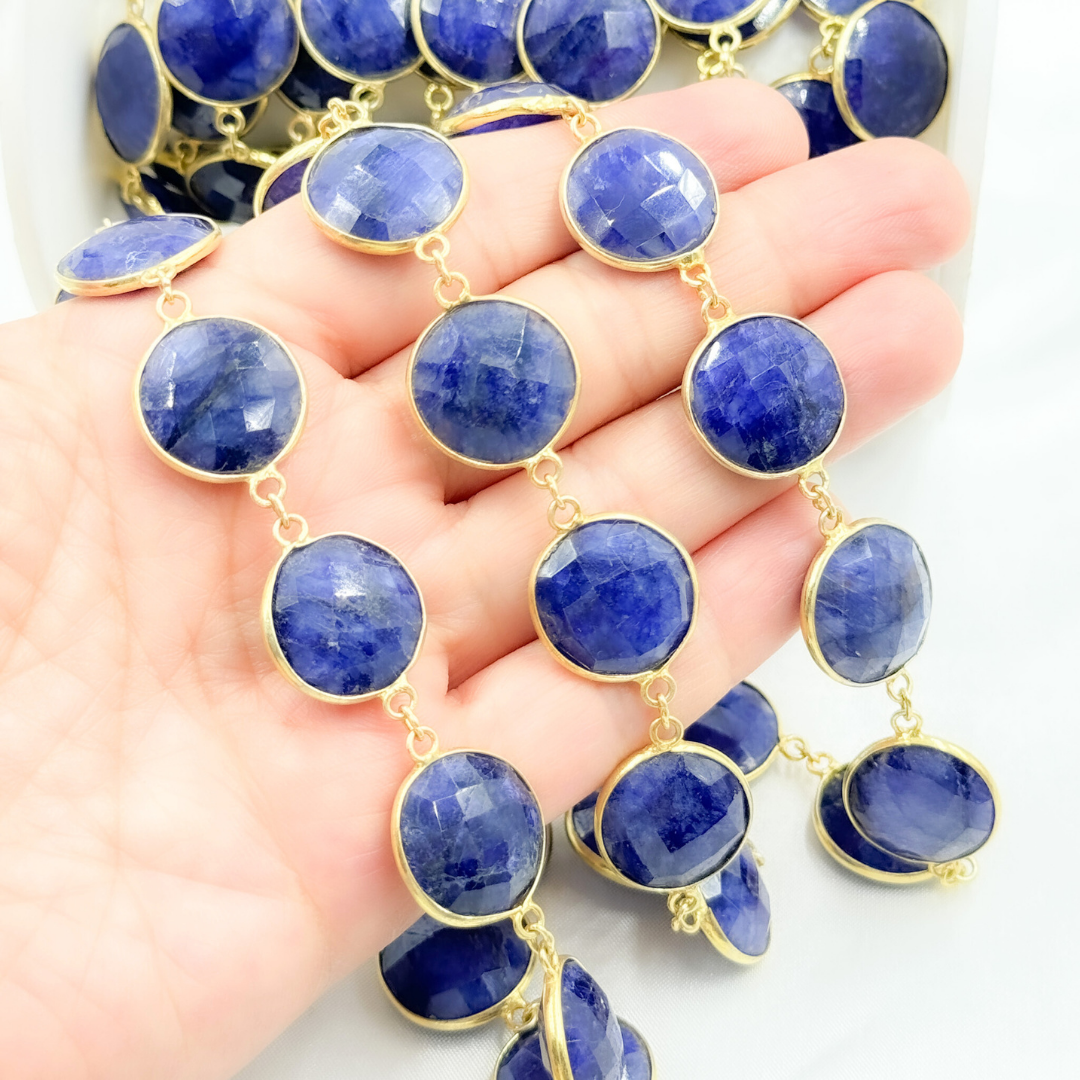
Dyed Sapphire Round Shape Bezel Gold Plated Wire Chain
VIEW PRODUCT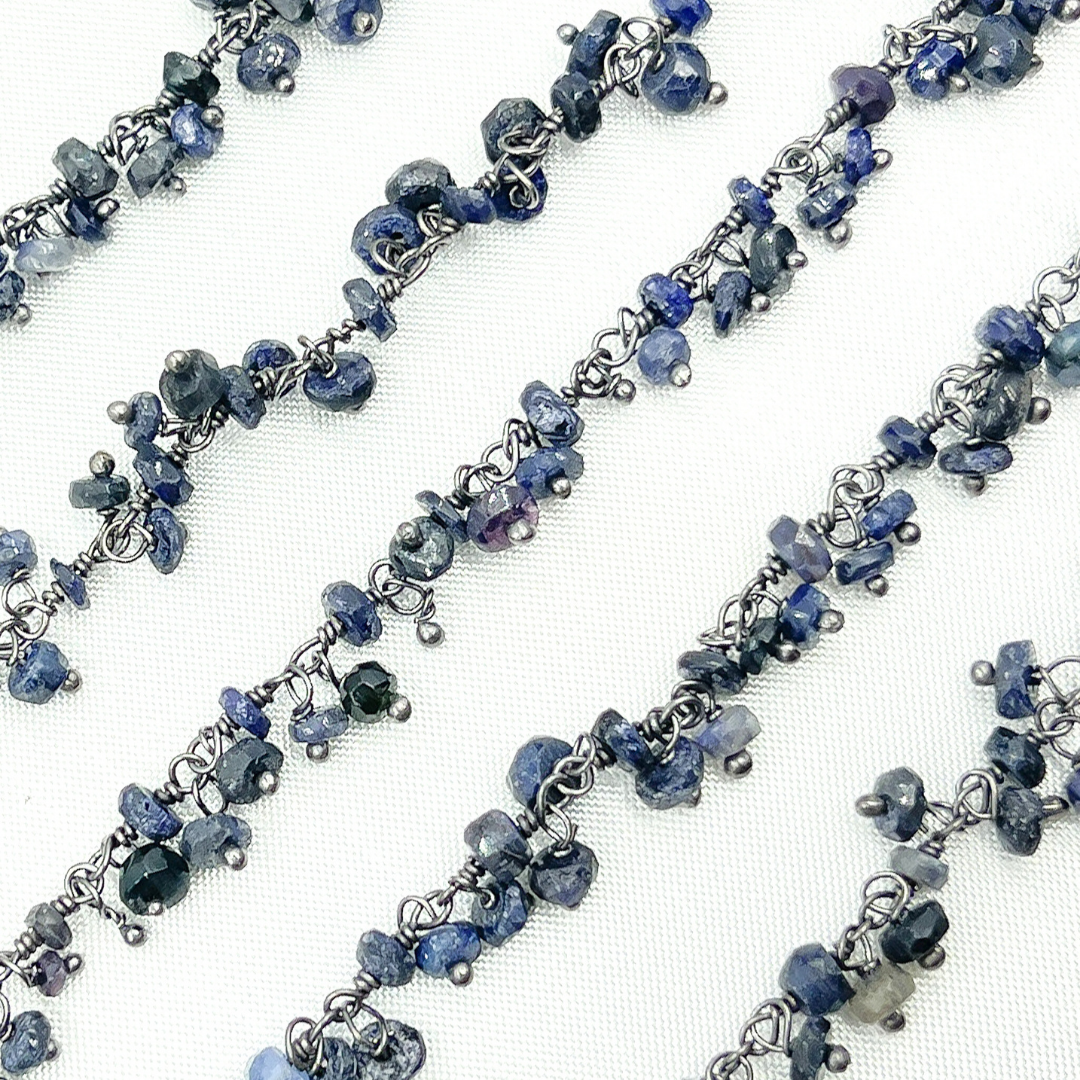
Dyed Blue Sapphire Cluster Dangle Oxidized Wire Chain
VIEW PRODUCT
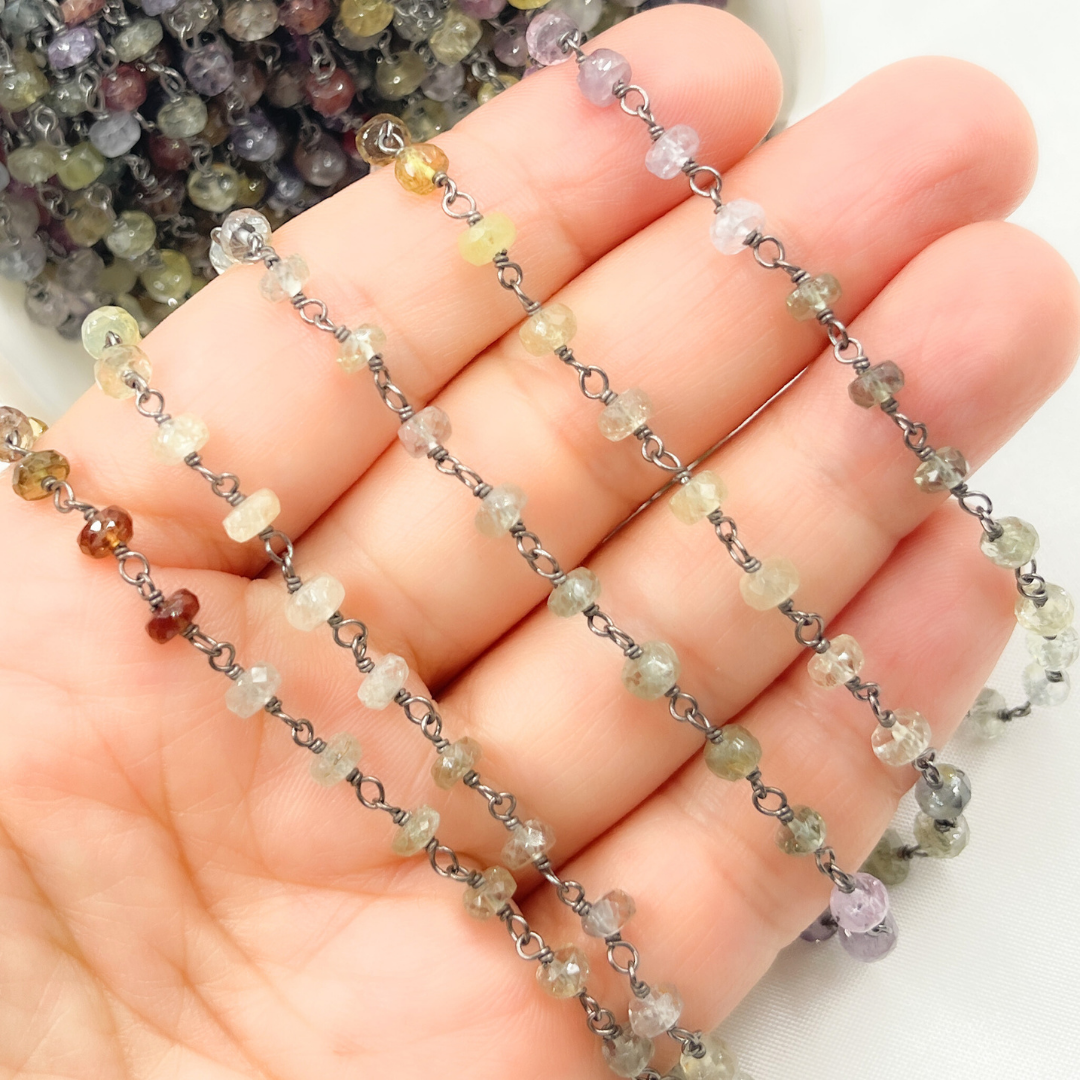
Dyed Blue Sapphire Cluster Dangle Gold Plated Wire Chain
VIEW PRODUCTWhat Is the Birthstone for September?
Sapphire is the answer, and it's one of the more settled birthstone assignments. The september birth stone tradition traces back to birthstone lists that circulated in Poland between the 16th and 18th centuries, and it carried through when the National Association of Jewelers (now Jewelers of America) formalized the modern U.S. birthstone chart in 1912.
Both lists agree on sapphire for September, which isn't true for every month on the calendar. Some regional lists add a second option, most notably a 2013 UK list that includes lapis lazuli alongside sapphire, so if you see that mentioned elsewhere, it's a regional addition rather than a universal standard.
Also Read: Sapphire Gemstone Meaning: Wisdom, Protection & Symbolism
Why Is Sapphire the September Birthstone?
The honest answer is tradition rather than a documented single reason. Sapphire has been associated with royalty, clergy, and nobility for centuries, and it was valued for its color and durability long before formal birthstone charts existed.
When jewelers standardized the modern list in 1912, sapphire's existing cultural weight and its suitability for fine jewelry made it a natural fit to keep for September. It didn't replace a competing stone the way some other months did during that standardization.

September Birthstone Color
Blue is the color most associated with sapphire, and within blue there's real variation. Some stones lean light and airy, others show a deep, almost inky blue, and mid-tone blues with good saturation are generally the most sought after.
Color zoning can also show up, meaning a single stone might display uneven color distribution before cutting, which a skilled cutter works to minimize. Beyond blue, sapphire comes in pink, yellow, green, purple, and colorless varieties, along with padparadscha, a pinkish-orange combination that's genuinely uncommon.
Darker doesn't automatically mean better. A sapphire that's too dark can look almost black in low light, and many buyers actually prefer a vivid mid-tone blue over an extremely dark one.
What Does September's Birthstone Mean?
Sapphire is commonly associated with wisdom, loyalty, sincerity, and protection. These meanings come from centuries of cultural tradition and symbolism, not from any scientific or medical basis, so it's worth treating them as heritage rather than fact.
Historically, sapphire was worn by royalty and clergy partly because of these associations, and partly because a fine blue stone was simply rare and valuable. Modern buyers often choose sapphire for its meaning as much as its appearance, which is part of why it remains a popular choice for engagement rings and gifts alike.
Types of Sapphire for September Birthstone Jewelry
Classic blue sapphire is the most common choice, ranging from pale to deep tones depending on where the stone falls on the color spectrum. Fancy-color sapphires cover everything else: pink, yellow, green, purple, and the rare padparadscha.
White or colorless sapphire is sometimes used as a diamond alternative, since it's hard and clear but generally less expensive. Star sapphires are a separate category worth knowing about, showing a six-rayed star effect (asterism) caused by needle-like inclusions, visible when the stone is cut as a cabochon rather than faceted.
|
Factor |
September Birthstone (Sapphire) |
|
Mineral |
Corundum (aluminum oxide) |
|
Common color |
Blue, plus pink, yellow, green, purple, colorless, and padparadscha |
|
Mohs hardness |
9 (second only to diamond) |
|
Related stone |
Ruby (red corundum) |
|
Common treatment |
Heat treatment, widely accepted in the trade |
How Much Is a September Birthstone Worth?
Sapphire pricing varies widely, and there isn't one number that applies across the board. Entry-level stones with lighter color or lower clarity can be fairly affordable, while fine-quality sapphires with strong, even color and good clarity can command substantially higher prices per carat.
Color is usually the biggest factor, followed by clarity, cut quality, and carat weight. Origin matters too, since sapphires from certain historic sources carry a premium in the trade, and treatment status plays a role as well, since untreated stones are less common than heat-treated ones and are often priced accordingly.
Carat weight alone doesn't determine value. A smaller sapphire with excellent color and clarity can be worth more than a larger stone that's pale or heavily included, which is a useful thing to know before shopping by size alone.
Also Read: Different Types of Sapphires: From Blue to Fancy Colors
Sapphire Treatments and What They Mean for Buyers
Heat treatment is the most common treatment applied to sapphire, and it's been standard practice in the gem trade for a long time. It typically improves color and clarity, and it's widely accepted, meaning heat-treated sapphires aren't considered lesser stones in most jewelry contexts.
Untreated sapphires exist and are generally rarer, which can affect both price and desirability for collectors specifically. Neither treated nor untreated is automatically the better choice for everyday jewelry. What matters more is that the treatment is disclosed, so you know what you're buying.
How to Choose a September Birthstone
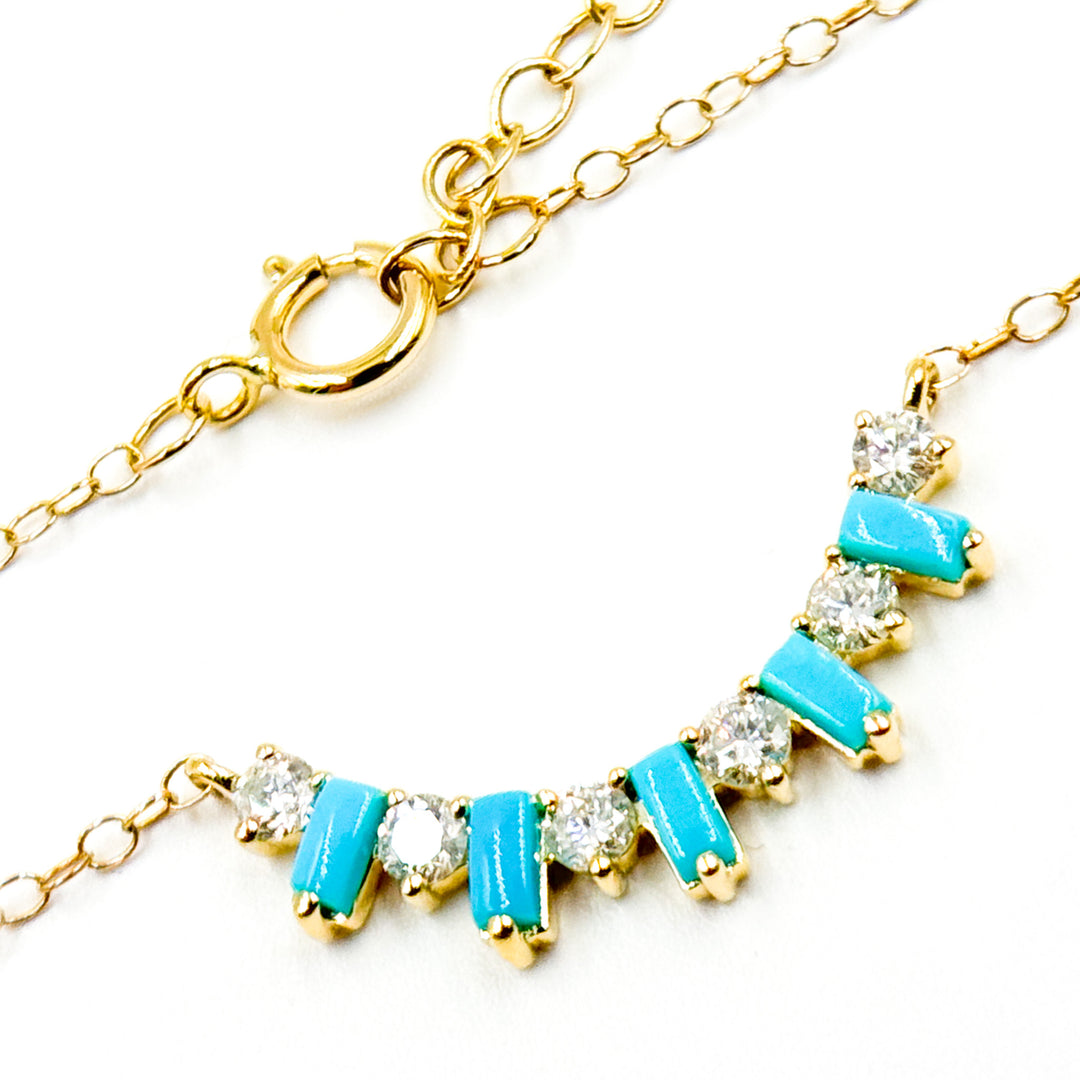
Start with color, since that's usually what draws someone to a specific stone. From there, clarity and cut affect how the stone actually looks on the hand, sometimes more than carat weight does.
For a valuable purchase, ask about treatment disclosure and consider certification, particularly for higher-value stones where a gemological report adds real assurance. Check the seller's return policy and reputation, and ask for the stone's measurements rather than relying on carat weight alone, since cut proportions affect how large a stone appears.
Setting quality matters just as much as the stone itself. A well-made setting protects the sapphire during daily wear and affects how securely it's held over time.
September Birthstone Jewelry Ideas
Sapphire rings are a common choice, partly because the stone's hardness makes it genuinely practical for a piece worn daily. Sapphire earrings and pendants work well for those who want color without the wear a ring gets.
Layered necklaces with a small sapphire accent are popular for everyday styling, while larger center stones tend to go into statement pieces or engagement rings. Mixed-metal settings, in yellow gold, white gold, or silver, all suit sapphire, since the stone's color reads well against most metal tones.
How to Care for Sapphire Jewelry
Sapphire's hardness (9 on the Mohs scale) makes it one of the more durable gemstones for everyday wear, second only to diamond. That said, durable doesn't mean indestructible, and a hard knock can still chip or damage a setting.
Clean sapphire jewelry with warm water, mild soap, and a soft brush, and avoid harsh chemicals or ultrasonic cleaners if the stone has fractures or coatings that could be affected. Store pieces separately to avoid scratching softer jewelry, and have prongs checked periodically, since a loose setting is a more common cause of stone loss than the sapphire itself failing.
Frequently Asked Questions
What is the birthstone for September?
Sapphire is the birthstone for September, recognized on both the older traditional lists and the modern 1912 birthstone chart.
Why is sapphire the September birthstone?
It's a matter of long-standing tradition rather than one documented reason, tied to sapphire's historical association with royalty, durability, and its established place on gemstone lists predating the 20th century.
What color is September's birthstone?
Blue is the most recognized color, but sapphire also occurs in pink, yellow, green, purple, colorless, and the rare padparadscha variety.
Is sapphire always blue?
No. Sapphire refers to any color of gem-quality corundum except red, which is classified as ruby. Blue is simply the most famous and widely available color.
What does September's birthstone symbolize?
Sapphire is traditionally associated with wisdom, loyalty, sincerity, and protection. These are cultural and symbolic associations, not scientifically proven effects.
Is sapphire a good stone for everyday jewelry?
Yes, largely because of its hardness. At 9 on the Mohs scale, it resists scratching well, which makes it a practical choice for rings worn daily.
How much does a September birthstone cost?
Prices vary widely based on color, clarity, cut, carat weight, origin, and treatment. Entry-level stones can be quite affordable, while fine-quality sapphires can cost significantly more per carat.
Are heat-treated sapphires lower quality?
Not necessarily. Heat treatment is standard practice in the trade and generally improves color and clarity. What matters most is that the treatment is disclosed at the point of sale.
Do I need a certificate to buy a sapphire?
Not always. Certification is most useful for higher-value stones, where a gemological report provides added assurance about the stone's identity and treatment status.
Is sapphire a good gift for someone born in September?
It's a fitting choice given the birthstone tradition, and its range of colors and durability make it practical as well as meaningful for a range of jewelry styles.